About the Author


Businesses have always heavily focused on customer acquisition, but the costs associated with getting more new customers tend to be high. That’s when businesses realize they must focus more on customer retention.
But getting customers to come back time and time again is not an easy task. This article provides unconventional customer retention strategies and examples from successful companies that excel at delivering engaging customer experiences.
Let’s dive in!
Contents
- Why your customer retention strategy is so important
- 7 customer retention strategies any business can use
Why your customer retention strategy is so important
Getting new customers is, of course, a reasonable investment. But things have changed. Customer acquisition costs (CAC) have been climbing steadily, and it’s forcing brands to reconsider where their money’s actually making an impact. Because throwing more budget at acquisition only works if people stay, and most don’t.
According to Shopify, CAC varies by industry, and it ranges from $21 per new customer in arts and entertainment to $127–$129 in fashion, home, or beauty. And if you’re selling electronics? Buckle up—that’s $377 per new customer. And that’s just to get them in the door; there’s no guarantee they’ll stick around.
You’re not just competing on product or price anymore. You’re competing on how well you treat people. If you drop the ball on experience, CAC becomes a sunk cost. 76% of consumers would stop doing business with a company after just one bad customer experience.
Moreover, 70% of customers choose brands based on the expectation of a good experience. In other words, despite all the customer acquisition costs, you stand no chance if there’s no positive word of mouth for your brand, and here comes customer retention and loyalty into the picture.
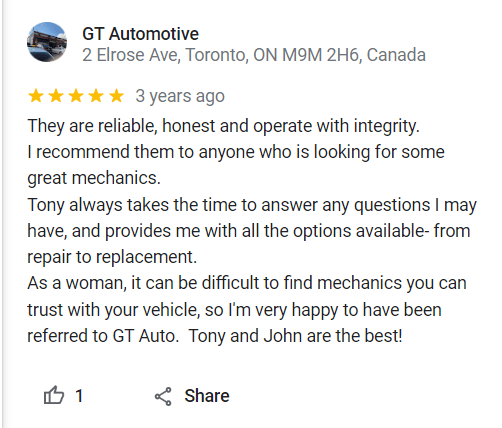
When customers feel appreciated and seen, they stay. And they even start recommending your brand to their friends and family. And that’s the ultimate goal—if you manage to turn your customers into brand advocates, you can rely on word of mouth as one of the strongest marketing weapons, especially for small businesses.
Without further ado, let’s get to the customer retention strategies that will help you boost your revenue through upsells and increase customer lifetime value.
⭐ Get more reviews with our free guide on how to get more reviews: 8 tips to boost ranking, reputation, and revenue!
7 customer retention strategies and why they work
You can get customers to buy from you once with some marketing magic and a little bit of luck. But you can’t turn them into loyal customers using the same formula. You need a customer retention strategy. To help you, we’ll go through seven customer retention strategies and examples of successful businesses that have cracked the code. Let’s get your creative gears turning.
1. Collect customer data to personalize offers
Data is the lifeblood of effective marketing. And it should not be reserved for big companies only. If you’re a small business, collect the kind of information that lets you send smarter, more personal offers. Birthdays are a great place to start.
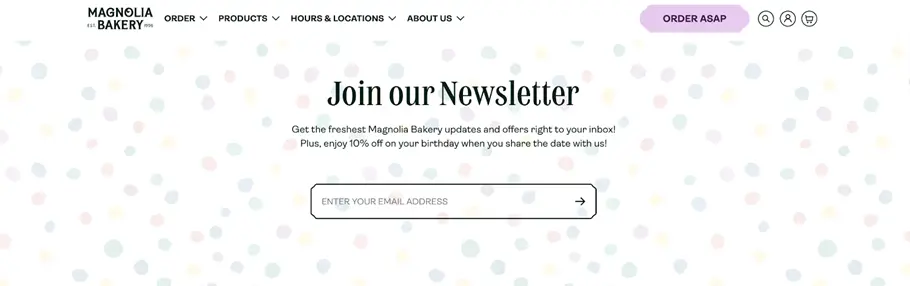
Magnolia Bakery nails this. When you sign up for their newsletter, they ask for your birthdate, and in return, you get a 10% discount as a gift. This kind of exchange, value for information, is the backbone of smart, consent-driven personalization. And when you use that data to serve relevant, well-timed offers, that’s when people buy.
2. Offer a subscription model
One-off customers are expensive. You spend a lot of money to acquire them, they buy once, then vanish like it never happened. It’s not sustainable, especially if you’re a small business trying to do more with less. That’s where a subscription model comes in. The subscription economy has grown to be worth around $1.5 trillion. The reason? Because it works.
If you can create thoughtful, convenient, repeat-worthy offerings that actually make sense for your product, the subscription business model can become your goldmine. Think curated coffee deliveries, refillable beauty kits, or even surprise treat boxes.
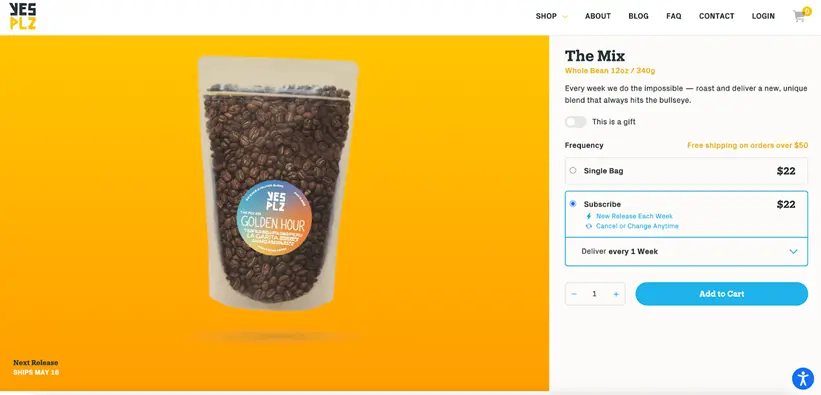
Take Yes Plz, for example. They ship fresh-roasted beans to your door every week (or whatever cadence works for you). No guessing, no reordering, just good coffee on autopilot. The result? A product that becomes part of your daily ritual and a brand you stick with.
Subscriptions flip the script from chasing customers to keeping them. You get predictable revenue. They get a frictionless experience. Everyone wins. Plus, subscriptions open the door to building deeper relationships.
3. Encourage repeat business through education
Another way to keep customers coming back is through education. Any product or service that gets better with know-how is a prime candidate for educational content. If your customer benefits from learning how to use it, improve with it, or integrate it into their life or workflow, you’ve got an opportunity. Think cooking gear, gardening tools, supplements, fitness gear, camera gear—the list is endless.
Ooni Pizza Ovens teaches customers how to make the most out of the equipment. Their content covers everything from wood vs. gas ovens and how not to burn the crust to cleaning and storing your pizza oven. Here’s the thing: once customers learn how to make a decent pizza, they want to make a better one. That means more accessories, more ingredients, more trips back to Ooni.com.
This product-led strategy turns a single transaction into an ongoing relationship. So, whether you’re in cookware, skincare, or power tools, the move is the same: teach people how to get the most out of what they bought. The more confident and capable they feel, the more likely they are to stick around and spend more.

💡Looking for more ideas to grow your business? Check out our free guide to the 37 absolute best ways to promote your business (whatever your budget!)
4. Collect feedback to improve the experience
Want to know what’s working? Ask your customers. Customer feedback is one of the most underused yet powerful tools in your retention toolbox. It can help you figure out what to double down on and what to fix.
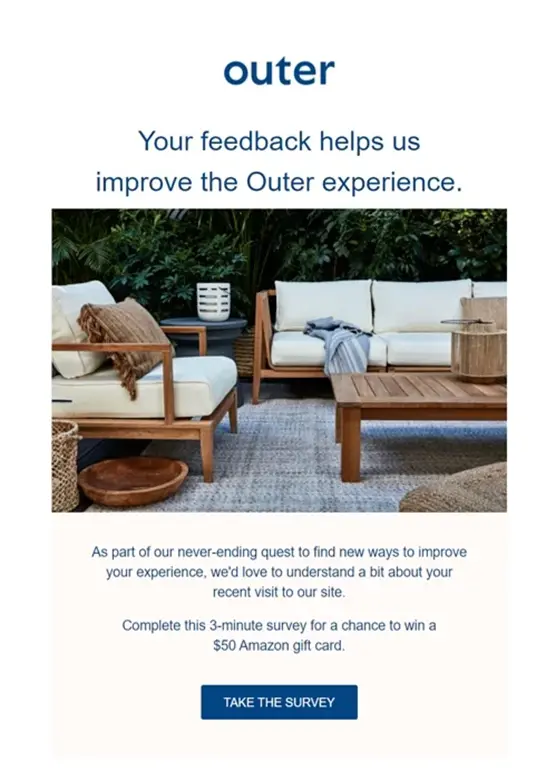
Outer, the outdoor furniture company, sent a short survey asking customers to share their experiences. The winners will have a chance to win a $50 Amazon gift card.
But here’s the key: collecting feedback is only half the job. You actually have to do something with it. If multiple people say your checkout process is a nightmare, fix it. If they want more color options, test a few. Implementing feedback shows customers you care, you’re listening, and you’re willing to improve.
5. Gamify the experience
Rewards programs have evolved over the years, from “spend $500, get a $5 coupon” to exciting, gamified experiences that get customers hyped to engage with a brand. Done right, gamification taps into the same part of our brains that makes us check our phones every five minutes or earn points in our favorite video game.
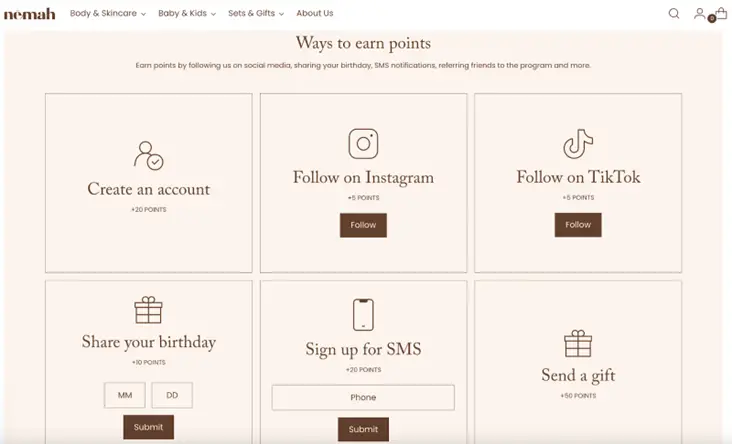
Take, for example, the skincare brand Nemah—their rewards program isn’t just transactional, it’s interactive. Customers earn points for doing everyday stuff like following the brand on Instagram, sharing their birthday, signing up for texts, and referring friends. They shifted the script from “buy more, earn more” to “engage more, get rewarded.”
This way, they turn passive buyers into active participants, and every interaction counts and deepens the relationship. People love earning, they love progress, and they love getting credit for things they were probably going to do anyway. So give them that little dopamine hit and make it fun.
6. Partner with other brands to organize sweepstakes
Strategic brand partnerships, especially for giveaways and sweepstakes, are a great way to boost visibility, re-engage your audience, and not spend your entire marketing budget. The first step is to find brands that complement yours, not compete with you. Ones that speak to the same crowd, have a similar vibe, and are hungry to grow, just like you.
Take The Original Pickle Shot, for example. They partnered up with Miron Crosby, a boot brand that’s targeting the same audience. Together, they ran a sweepstake, and the main prize was a custom pair of pickle cowboy boots. During the sweepstake, participants had to follow The Original Pickle Shot, find the official giveaway post, and comment where they’d wear their new boots first.
These collabs don’t just attract new eyeballs; they remind your existing customers that you’re part of a bigger lifestyle they want to be part of. More value, more relevance, and more reasons to stick around.

7. Organize live events to create a tight-knit community
Live events are the foundation of small business marketing. Whether it’s a florist hosting wine-and-design nights or a karate school running parents’ night out, the goal is always the same: get people in the door, build visibility, and become the go-to name in your niche.
Take Emilia George, for example. They’ve turned their maternity brand into something way more personal by hosting real-world events like in-store pop-ups, panel discussions, and community gatherings. These events drive foot traffic, foster loyalty, and help them stand out from the digital noise.
So, make sure to combine your digital and brick-and-mortar channels to build omnipresence. Show up in people’s inboxes and their neighborhoods. Remember, your live events feed your digital marketing, and your digital channels drive traffic to your events.

Get started with customer retention strategies that work
And there you have it—seven offbeat customer retention strategies. From gamified rewards to community events, these strategies will help you retain customers and grow your business. The brands that invest in keeping their customers happy, engaged, and coming back are the ones that scale smarter. If you’re looking to accelerate business growth with customer retention, let’s talk.
About the WordStream Blog
We've been a trusted source of data, news, and strategy for over 15 years. All of our content is written and reviewed by real people: a dedicated team of professionals with decades of combined experience in marketing and advertising for businesses of all sizes.


Add us as a preferred source on Google
Are you wasting money in Google Ads?

Meet The Author
Kaleigh Moore
Kaleigh Moore is a freelance writer for SaaS companies and a retail contributor for Forbes. She frequently speaks on topics related to ecommerce and small businesses and is the occasional podcast host, too. Learn more about her at her website.
Recommended for you