About the Author


Everyone wants to be different. In a world where creativity is often molded, standing out is a unique trait. That’s why personality matters. And this applies to businesses as well.
Brand personality can level the playing field and help small businesses win over customers’ hearts (and wallets) even with a limited budget. That’s because an intentional brand personality makes your business more memorable and relevant to the people you need to influence. The return on that is immeasurable.
In this guide, I’ll explain exactly what a brand personality is and how you can develop one that woos even the most skeptical of buyers. Plus, I’ll dissect standout examples from brands that have crafted unmistakable personalities.
Contents
- What is brand personality?
- Why does brand personality matter?
- How to develop your brand personality (7-step framework)
- 5 brands doing brand personality right
What is brand personality?
Brand personality is the set of human qualities a brand consistently shows through how it looks, speaks, and behaves. It includes each detail that helps your brand become recognizable, relatable, and, ideally, adored.
Your brand personality guides will guide your decisions, from visual design and messaging to customer interactions, and help your audience understand what the brand stands for in consistent and sometimes subtle ways.

Every aspect of Red Bull’s brand image screams bold, edgy, and unapologetically extreme.
It’s good to note that brand personality is different from brand voice.
Let’s break it down. Brand personality defines all aspects of your presence. It is the set of human traits the brand embodies, like confident, playful, thoughtful, or rebellious.
Brand voice is how the brand speaks. It is the expression of that personality in words, tone, and language choices.
In simple terms, personality is the character, and voice is the way that character communicates.
| BRAND PERSONALITY | BRAND VOICE |
| Who you are / The character | How you speak / The way the character communicates |
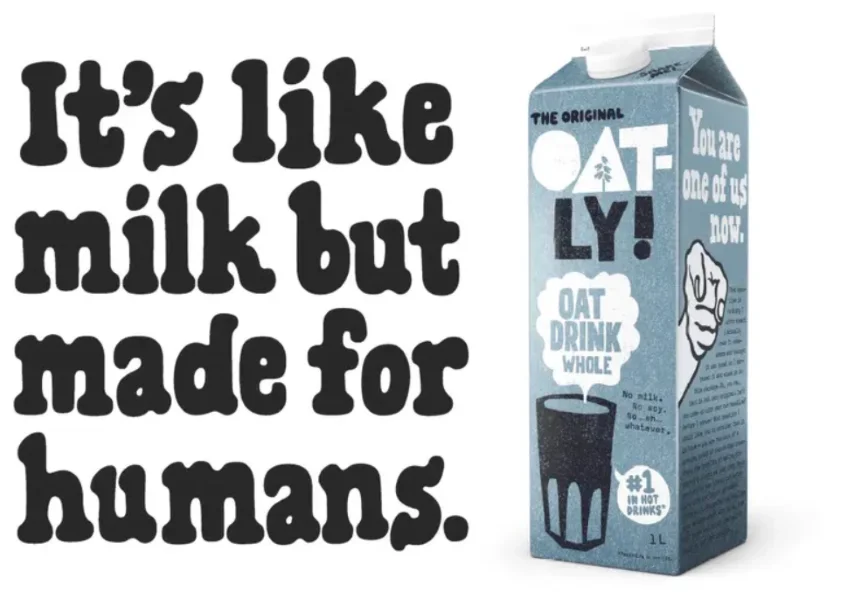
Every successful business, big or small, has a very distinctive brand personality. For example, Oatly comes across as outspoken and a little rebellious, using humor and blunt honesty to challenge industry norms. Olipop feels optimistic and modern, with a friendly, wellness-first tone that makes better-for-you choices feel easy. Airbnb’s personality is warm and human, centered on belonging and curiosity, inviting people to experience places as locals.
💡 Say it with feeling! Get 135 of the Best Words & Phrases for Marketing with Emotion
Why does brand personality matter?
Brand personality matters because it’s often the reason people notice a brand, remember it, and feel something about it—often before they ever even consider what they sell. It’s how you “live rent-free” in your target audience’s head until they’re ready to buy.
More than anything, your brand’s personality quietly shapes how it shows up in the world and why that presence makes a difference. Here’s why brand personality plays such an important role:
- It makes a brand recognizable: A clear personality helps people identify your brand instantly, even when your logo or name is not front and center.
- It builds trust through consistency: When a brand sounds and behaves the same way over time, it feels reliable. That reliability is what turns familiarity into trust, which in turn becomes loyalty.
- It guides better decisions: A strong personality acts as a filter, helping you decide what fits and what does not, from campaign ideas to customer experiences.
- It creates an emotional connection: People do not connect with products or services alone. They connect with brands that feel human, align with their values, or reflect who they are.
- It sets you apart when offers look alike: In competitive categories, personality becomes the differentiator, giving customers a reason to choose you when everything else feels interchangeable. This is especially important for services, where differentiation happens through human interaction, tone, and experience rather than tangible features or specs.
How to develop your brand personality: 7-step framework
Your brand personality shouldn’t be an afterthought. That said, developing a brand personality is not about picking adjectives off a list just to check a box. It is about making intentional choices that reflect who you are, who you are for, and how you want to show up consistently over time. This framework keeps the process practical and easy to follow.
1. Start with your truth (not your aspirations)
Before you define how you want to sound or feel, get clear on what is already true about your business. Look at why the company exists, how decisions are made, and what you would still stand for even if no one were watching.
In this review, include your founding story and how your values show up in action. For many small businesses, the founder’s personality naturally shapes the brand’s personality as well. A strong brand personality is always rooted in reality, not aspiration.
2. Understand the emotional needs of your audience
Brand personality lives in the relationship between you and your audience. To shape it well, you need to understand not just who your audience is, but how they want to feel when they interact with a brand like yours. Are they looking for reassurance, momentum, belonging, confidence, or escape?
The goal is to understand those needs and use your brand personality as an anchor for how you show up across everything you do.
This is what Pandora, the leading global jewelry brand, does with its well-known customizable charm bracelets. Or as they would say: Mini charms, big meanings. Pandora positions itself as a brand that helps people tell their own stories. It has a romantic, personal, and emotionally expressive brand personality, with a strong emphasis on sentiment over status.

👋 Make your marketing even more meaningful. Download 26 Brilliant Ways to Use Psychology in Your Copywriting (with Examples)
3. Define your personality traits with intention
Once you understand your foundation and your audience, you can define your core personality traits. Three to five traits are usually enough, as long as each one is specific, meaningful, and actionable.
Focus on your audience’s perception here. Confident is better than professional. Curious reads more useful and interesting than innovative.
For every trait, clarify what it means in practice, and just as importantly, what it does not mean. This prevents vague language and makes the personality easier to apply consistently.
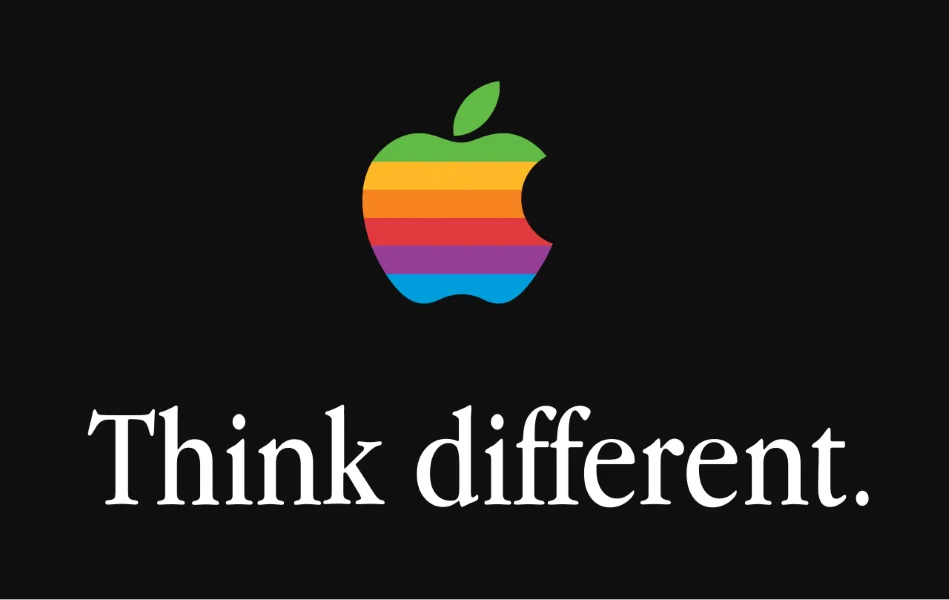
Remember Apple’s “Think different” campaign? It embodies Apple’s essence: calm, confident, and precise, letting craftsmanship speak for itself.
4. Create a personality statement and brand style guide
Once your traits are defined, bring them together in a clear personality statement and supporting brand style guide.
The personality statement captures the essence of your brand in a few grounded sentences, making it easy for anyone to understand how the brand should feel. The style guide then translates that personality into practical direction, from voice and tone to visual cues and examples of what to do and what to avoid.
And since AI is becoming so prevalent in marketing, make sure to create AI brand guidelines, too.
This step turns abstract traits into shared language and everyday tools, helping everyone show up in a way that feels consistent and intentional.
5. Translate personality into behavior
A brand personality is not just a PDF that collects digital dust. In other words, a brand personality only matters if it shows up in real decisions. This is where many brands fall short.
Ask how your personality influences the way you write headlines, design packages, handle complaints, onboard customers, or say no to opportunities. If your brand is bold, where do you take risks?
Let’s say a core tenet of your brand is caring. How does that show up when something goes wrong? If you can’t identify the traits in everyday situations, your brand personality serves only as a decorative label, which means you’ve missed the point.
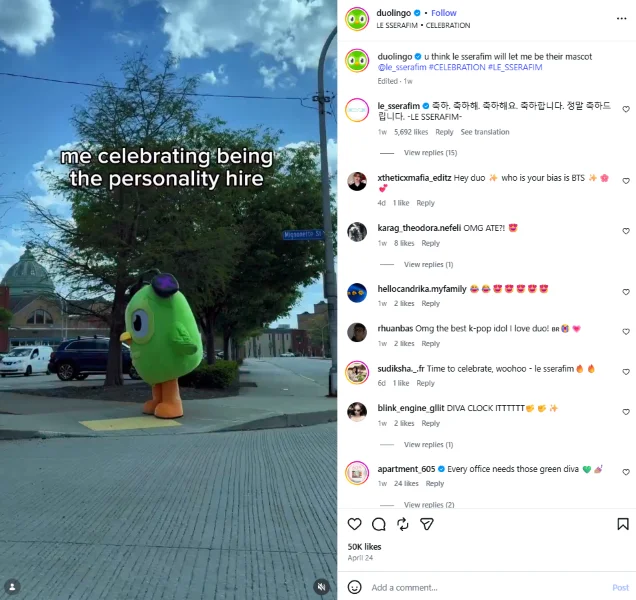
One of the clearest ways brands translate personality into behavior is through mascots. Duo, the iconic green owl from Duolingo, is the obvious example. Duo’s chaotic, persistent behavior reinforces the brand’s playful and relentless personality. That personality shows up consistently in notifications, social posts, and product copy.
6. Turn your employees into brand ambassadors
Employees are the most powerful carriers of your brand, because they bring its personality into real conversations and everyday moments. That starts with helping them understand what the brand is and how it should feel in practice.
When people are empowered to make decisions through the lens of brand personality, they stop following scripts and start showing up with confidence. The ultimate goal is to turn everyday interactions into consistent, on-brand experiences. And encouraging your employees to share content around it all.
7. Stress-test it for consistency and longevity
Before locking anything in, test your brand personality against real scenarios. How does it hold up in a crisis? Does it work across channels, teams, and growth stages? Will it still feel right in five or ten years? Here’s the thing: a good personality should be flexible enough to evolve, but strong enough to remain recognizable.
5 businesses doing brand personality right
It’s time to see brand personality in action and get your creative gears turning. These businesses show what happens when brand personality is clear, consistent, and woven into every decision.
Heinz: confident and iconic
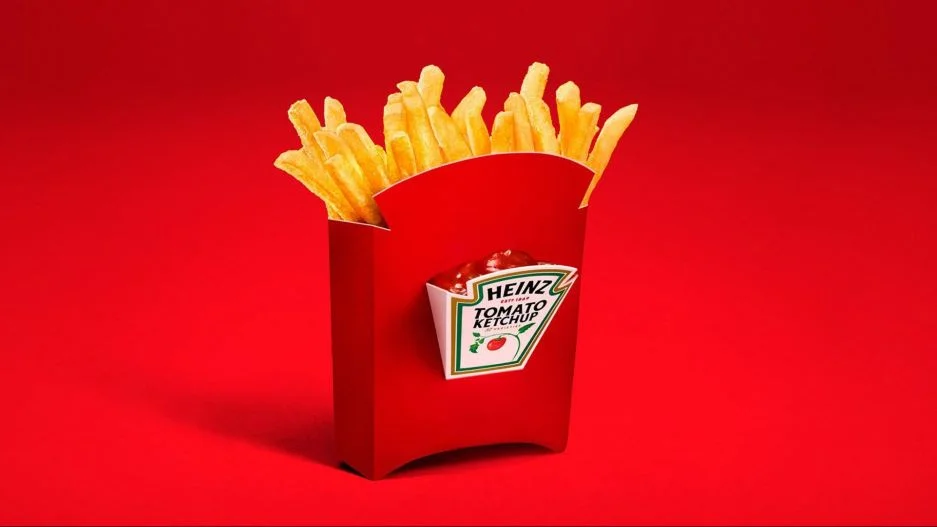
Talking about brand personality, one can’t help but mention Heniz. Heinz’s brand personality is confident, dependable, and unapologetically classic. It presents itself as the authority in its category, grounded in heritage and quality rather than trends.
There’s a sense of quiet confidence in how Heinz shows up, trusting that consistency, familiarity, and great taste speak for themselves. At the same time, the brand knows how to use wit and cultural relevance, reinforcing its iconic status without trying too hard to prove it. And that’s perfectly reflected in their latest campaign, which unveiled the Heinz Dipper, a French fry box with a built-in ketchup compartment for dipping on the go.
Native: honest and reliable
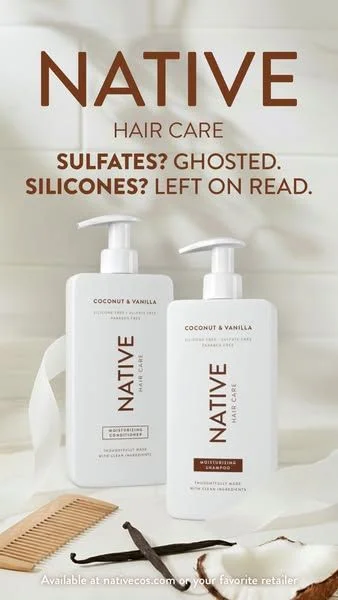
Native is another excellent example of a strong brand personality. Native’s personality is honest, approachable, and feel-good.
The brand speaks with straightforward clarity about making products that are clean, simple, effective, and free of unwanted ingredients. Native makes sure its brand personality is front and center in their advertising as well—reliable, welcoming, and focused on helping people feel confident about what they use on their bodies.
Headspace: calm and supportive
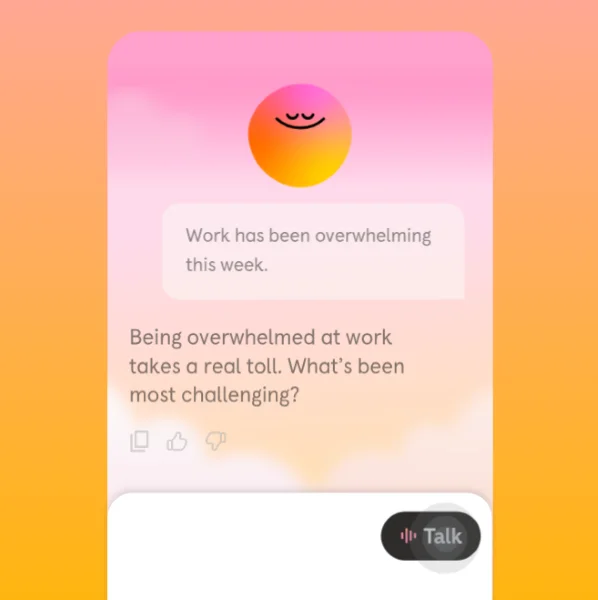
Headspace’s brand personality is calm, reassuring, and human. It positions itself as a friendly guide, making mindfulness and mental health feel accessible instead of intimidating. The brand knows how sensitive the topic of mental health is. That’s why it speaks in a warm, simple way that reduces pressure and invites people to start where they are.
There’s a strong sense of empathy in how Headspace shows up, acknowledging stress, overwhelm, and everyday struggles without dramatizing them. The brand builds trust through its gentle visuals and clear language.
This approach is reinforced through Ebb, Headspace’s empathetic AI companion, which offers personalized recommendations based on how you’re feeling.
Petbarn: caring and knowledgeable
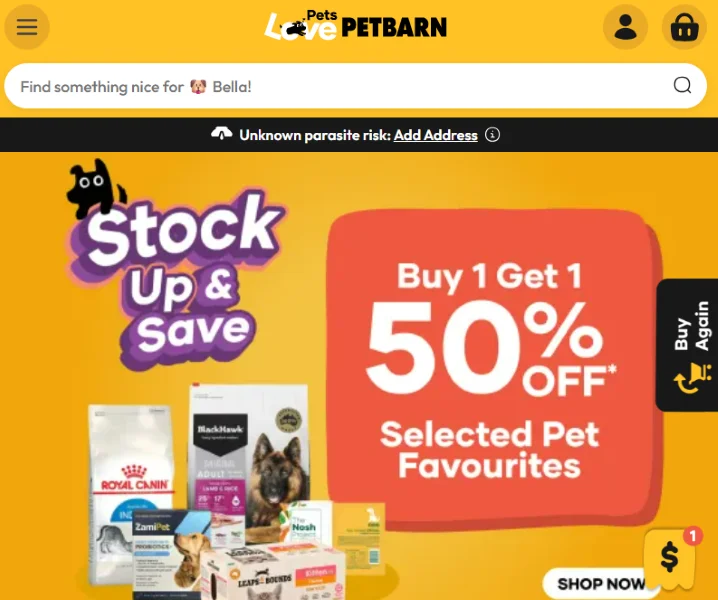
If you have a pet, there’s no need to explain how important pets are to people. Petbarn knows this. The moment you open its website, you can tell it’s a trusted partner for pet owners, combining genuine affection for animals with clear expertise and guidance.
Petbarn’s brand personality is caring, practical, and deeply pet-focused. And so is the way they communicate—warm while staying grounded in helpful advice and real solutions.
The brand highlights the bond people have with their pets and reflects that care across its messaging, while also reinforcing reliability through education, services, and everyday support. It’s in the thoughtful details, like personalizing their search bar with your pet’s name after completing your pet’s profile.
Cherrypick: helpful and intuitive
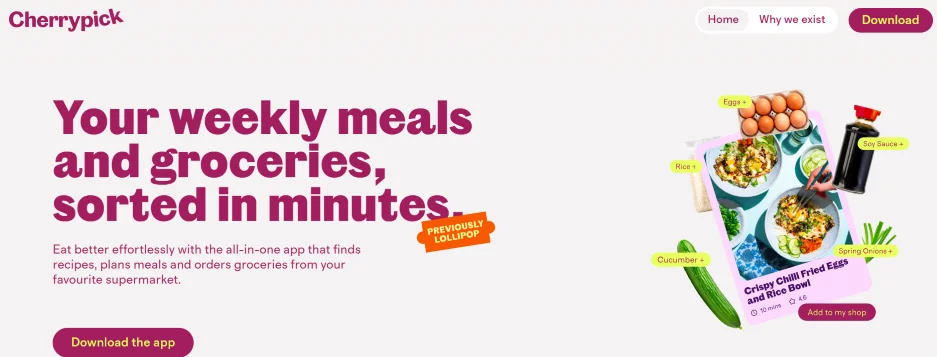
Cherrypick’s brand personality is helpful and practical. The brand positions itself as an everyday assistant that simplifies meal planning and grocery shopping without adding extra complexity. Its voice feels clear and reassuring, focused on saving time and reducing decision fatigue.
What makes Cherrypick stand out is how seamlessly it fits into daily routines. By bringing recipes, meal planning, and grocery ordering into one place, the brand communicates ease and efficiency at every touchpoint. It uses bold design, colorful visuals, and witty copy to communicate its mission. Cherrypick exists to make healthier, more sustainable food choices easier and more affordable by removing friction from everyday cooking and shopping.
Brand personality is what keeps your brand consistent
Brand personality is what holds everything together. It shapes how people recognize you, how they feel when they interact with you, and whether your brand feels cohesive or fragmented over time. When it’s clear and consistently applied, it creates trust. When it’s not, even strong tactics can feel disjointed or forgettable.
If you’re unsure of your current brand perception, ask AI. Tell your tool of choice to review available mentions of your brand across Google, Reddit, and other online locations. Then have it summarize the overarching themes.
About the WordStream Blog
We've been a trusted source of data, news, and strategy for over 15 years. All of our content is written and reviewed by real people: a dedicated team of professionals with decades of combined experience in marketing and advertising for businesses of all sizes.


Add us as a preferred source on Google
Are you wasting money in Google Ads?

Meet The Author
Kaleigh Moore
Kaleigh Moore is a freelance writer for SaaS companies and a retail contributor for Forbes. She frequently speaks on topics related to ecommerce and small businesses and is the occasional podcast host, too. Learn more about her at her website.
Recommended for you