Marketing is part science and part fortune-telling. You analyze the results you’ve seen and use them to make educated guesses on what’ll work in the future.
To help you make the best bets, we asked 10 pros from various marketing disciplines to give us one prediction for 2026. No surprise that AI permeated throughout their responses, but not always in the ways we expected.
See what they had to say, and get some tips to prepare your strategy for success this year and beyond.
Contents
- Targeting shifts from audience to intent and context
- Brands will refocus on SEO
- We’ll see hyper-personalization across all digital platforms
- Proprietary data becomes mission-critical
- AI will separate meaningful marketing from thin content
- Small businesses will go big with micro-influencers
- Google’s Gemini bests ChatGPT
- We’ll shift from keyword-first to interest-first marketing
- Winning brands will make marketing a participation sport
- Marketers and consumers will push back on AI
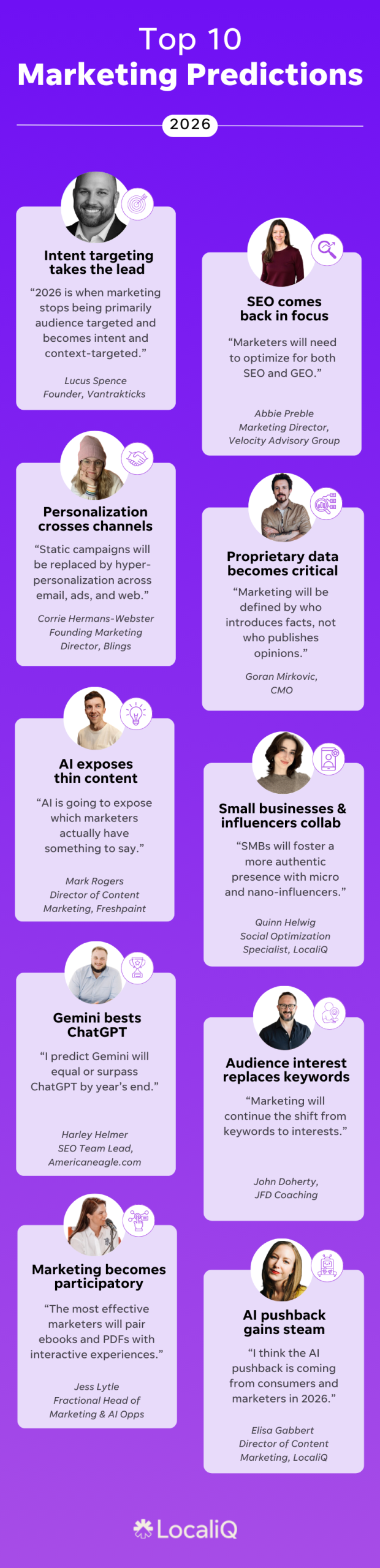
10 expert marketing predictions
What’s to come for marketers in 2026? Here’s what 10 pros think.
1. Targeting shifts from audience to intent and context
Lucus Spence, Founder of Vantrakticks (creators of Ctxly), sees a big shift coming to how marketers target their content.
“2026 is when marketing stops being primarily audience targeted and becomes intent-and-context targeted, optimized for AI agents that filter choices on a buyer’s behalf,” he told me. “Humans will still see the content, but it’ll arrive pre-qualified and pre-explained by an AI agent.”
That’s an interesting take that’s already taking shape. A search engine used to be like a librarian, retrieving content for users to click and read based on what best matched their inquiry. Now, systems like AI Overviews retrieve, read, and recap the content for us, leaving an AI layer between marketers and the audience.
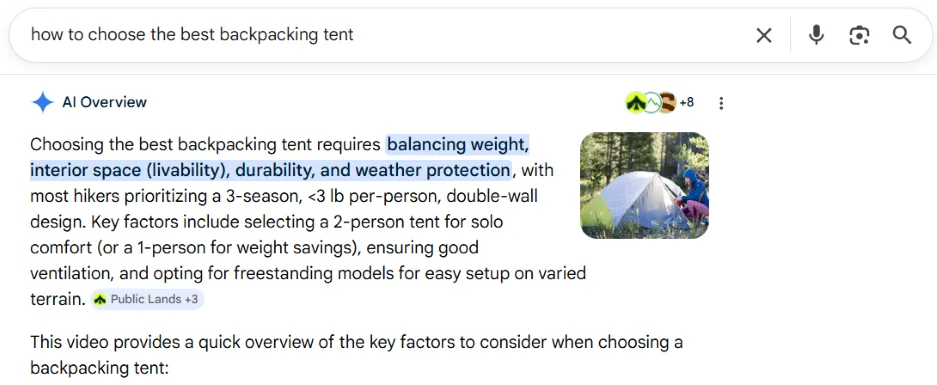
AI answers place an AI agent between marketers and the audience they’re trying to reach.
Lucus says martech developers will capitalize on the change in behavior. “We’ll see a new category of tooling and platforms emerge to operationalize that shift.”
How to prepare for this prediction
Sure, Google keeps telling us to forget its recommendation engines and just create content for humans. The reality is that we’ll need to appeal to both people and AI.
“The best-performing brands will publish dual-purpose content: human-friendly narrative and agent-readable structure,” Lucus said.
It’ll take a clever balance of following SEO and GEO best practices while making sure what you publish is attractive and helpful to humans.
Here are a few ways I see that playing out:
- Put a lot of focus on original data (GEO and humans love fresh stats).
- Organize content logically and use subheaders that verge on overly descriptive (for AI) but aren’t so clunky that people won’t read them.
- Add your voice to what you write (try puns, personal anecdotes, and insider points of view) so even if the layout is a little repetitive, the content will keep people interested.
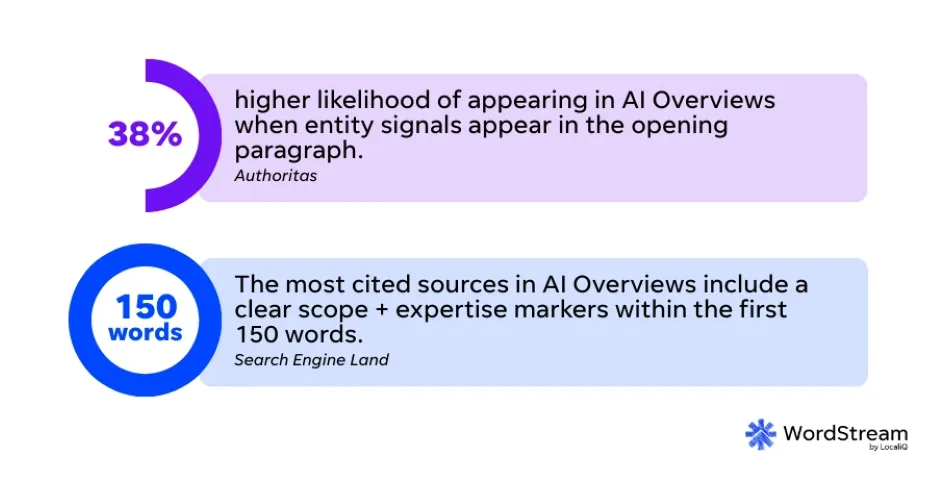
- Front-load authority and context into the first 200 words of your content.
📈 Ready to raise your rankings on search engines? Download How to Do SEO Right—Right Now!
2. Brands will refocus on SEO
Abbie Preble, Marketing Director at Velocity Advisory Group, expects marketers to refocus at least some of their efforts back to SEO.
“In 2026, marketers will need to optimize for both SEO and GEO,” Abbie said. “Despite what many were saying, SEO isn’t dead nor is it dying, but it is evolving. Brands that completely switch gears to GEO are going to struggle.”
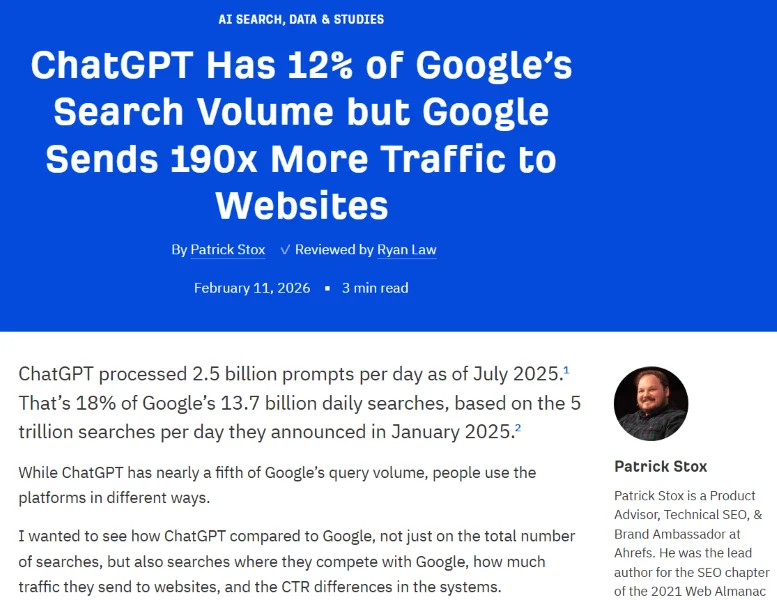
Here’s some compelling evidence to back that up. Ahrefs data shows that even though ChatGPT is gobbling up 12% of overall search volume, Google still sends 190 times more traffic to websites.
How to prepare for this prediction
Abbie pointed out that SEO and GEO aren’t mutually exclusive. “Among other things, generative AI tools still rely on strong SEO signals like authority, structure, clarity, and credibility to decide what to use.”
So the first takeaway is that if you stick to SEO basics, you’ll be 80-90% (unofficial estimate) of the way towards successful GEO. If you’d like a little SEO refresher, these guides will help:
- SEO Basics: Complete Beginner’s Guide to Search Optimization
- The Complete, Visual Guide to On-Page SEO (With Templates!)
- The New SEO Checklist for Content That Ranks
3. We’ll see hyper-personalization across all digital platforms
We’ve been heading down the personalization path for some time. Corrie Hermans-Webster, Founding Marketing Director at Blings, believes this is the year everything is targeted and tailored to individual consumers.
“In 2026, the era of static campaigns will be replaced by hyper-personalized orchestration across email, ads, and web,” Corrie said. “We are moving toward a reality where every piece of content is triggered by a specific data signal.”
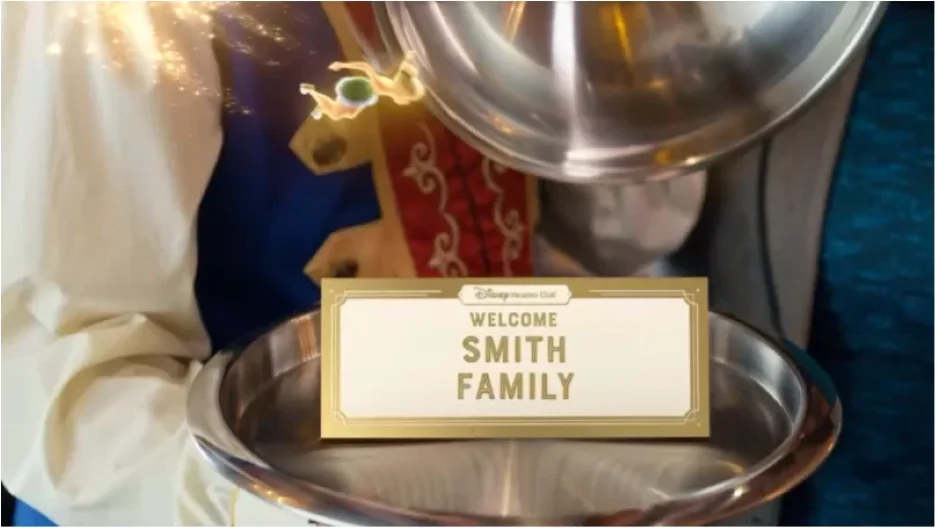
Disney uses personalized videos to welcome new vacation club members.
Consumer behavior will continue to motivate this shift. 76% of buyers said they not only want personalized interactions with brands, but they also get frustrated when they don’t receive them. And 82% of shoppers say they’re willing to get there.
How to prepare for this prediction
Here’s where old-school marketers will need to evolve. You can’t create your way into dynamic content and behavior-based product suggestions. You need the right technology and a strategy “…that ensures every touchpoint serves a distinct purpose and adapts in real-time to the user’s intent, regardless of the channel,” Corrie said.
Email and video marketing are good places to start. This guide to marketing personalization will give you some best practices to help.
4. Proprietary data becomes mission-critical
Goran Mirkovic, Head of Content at Multiplier, expects marketing teams to put a lot more energy into creating original data, novel ideas, and even new categories.
“In 2026, marketing will be defined by who introduces facts, not who publishes opinions,” Goran said. “AI systems will default to the companies that ship proprietary data, first-hand insight, and early category definitions, and treat everything else as commentary.”
Marketing strategies have always been influenced by audience behavior. AI is growing beyond the role of content curator and into an audience of sorts that reads and summarizes content. As AI search results like AI Overviews and ChatGPT continue to prioritize sharing new data, marketers will follow.
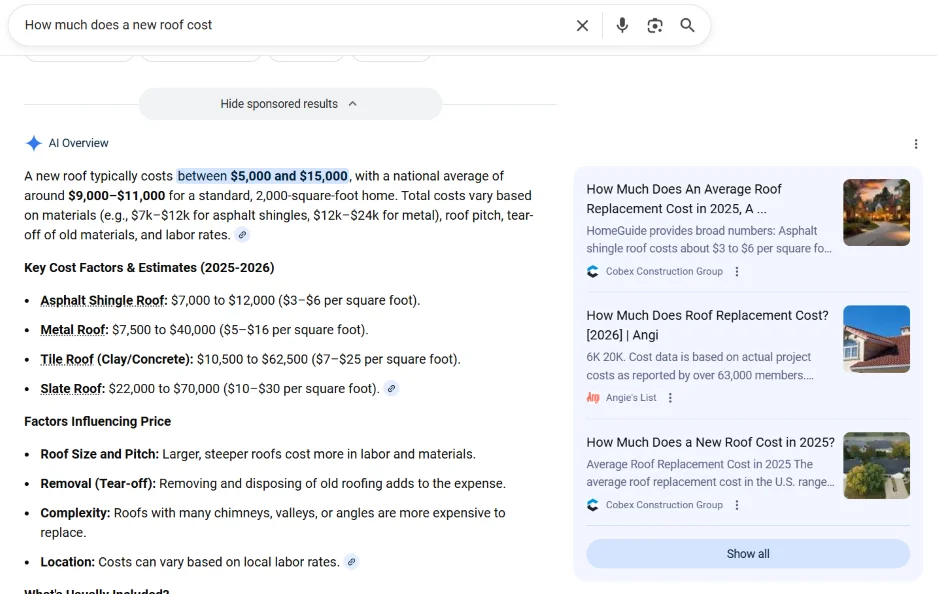
Websites that provide unique information will gain ground in search visibility.
How to prepare for this prediction
This is the time to become the thought leader you always knew you could be. “If your marketing doesn’t produce original signals the market can reference, you’re not shaping demand, you’re letting someone else name the space for you,” Goran said.
The great thing is that you’re surrounded by information other people don’t have. Anonymized customer behavior, industry surveys, and even a simple poll on LinkedIn will give you something you can add to a blog post that AI surfaces.
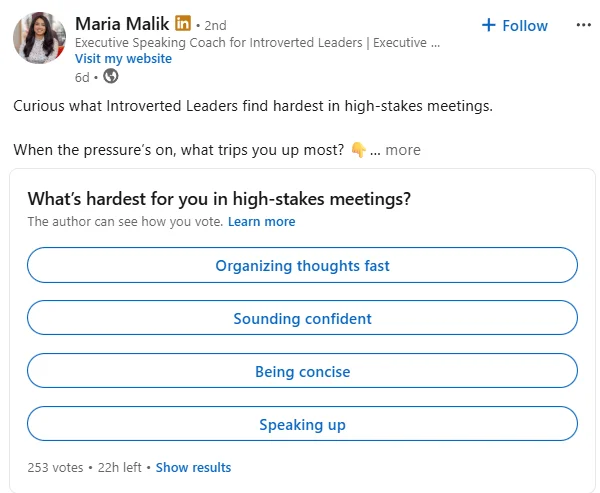
Even a simple poll on social media can unearth interesting data that AI will want to cite.
💡 Get a jumpstart on using AI for marketing. Download 200+ Best AI Prompts Any Business Can Use
5. AI will separate meaningful marketing from thin content
Mark Rogers, Director of Content Marketing at Freshpaint, predicts that this year will show which marketers use AI well, and which ones lean on it too much.
“My prediction for 2026 is that AI is going to expose which marketers actually have something to say,” Mark said. “The ones who skip the hard work of developing a clear POV, partnering with real practitioners, and building original data will drown in a sea of sameness.”
During the height of the SEO arms race, we saw many brands trade quality for quantity in an effort to gain reach fast. AI turned that race to the bottom into a speed run since anyone with a laptop and 20 bucks a month could access some of the most advanced LLMs on the planet. To Mark’s point, that’ll make unique content shine all the brighter.
How to prepare for this prediction
The takeaway is to create new, compelling content and then use AI to expand its reach. “The marketers who invest in quality inputs and then use AI to scale them will pull way ahead,” Mark added.
Where do you start? Try looking within. You have in-house subject matter experts with intel your customers would love to have. No matter what type of business you work for, there is someone there who knows the tricks to coding an app, generating revenue for a law firm, or baking the perfect loaf of sourdough.
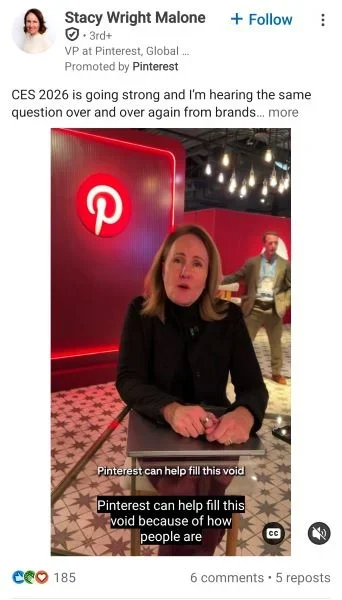
Thought leadership content can start on social media and be repurposed to blogs and email using AI tools.
6. Small businesses will go big with micro-influencers
Quinn Helwig, Social Optimization Specialist at LocaliQ, notes that an evolution in how people gather on social media will make influencer marketing more attractive to small businesses.
“With social media users becoming accustomed to high levels of personalization during their online time, we are seeing user behavior gravitate towards micro-communities with unified subcultures, interests, and values,” Quinn said. “The consolidation of the target audiences is beneficial to SMBs, who often have limited financial resources and struggle to compete with the reach of larger competitors.”
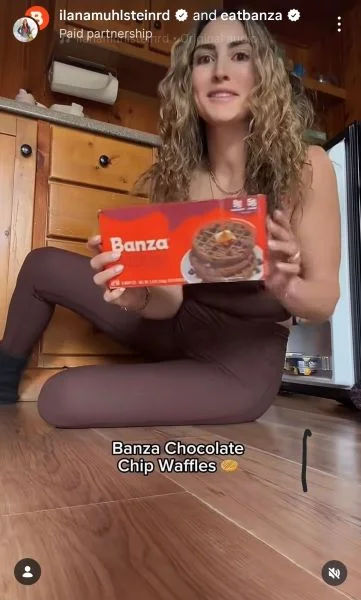
Businesses like Banza have used influencers to grow quickly.
Quinn added that these relationships offer more than just exposure. “Additionally, current trends point towards micro and nano-influencers having overall higher engagement rates with their followers in comparison to mega-influencers,” she said. “These engagement rates take advantage of social media algorithms and overall can develop into increased conversions and stronger brand recognition.”
How to prepare for this prediction
Quinn said that if small businesses consider an influencer marketing strategy, they should think beyond simply increasing audience reach. “By stepping away from prioritizing reach and instead approaching brand awareness through the lens of community building, businesses can foster a more trustworthy and authentic presence online that resonates deeper with their target audience.”
Putting your brand in the hands of an influencer can cause a little anxiety. Here are a few things to keep in mind:
- Focus on fans, not followers: Scan the comments to see which influencers generate a lot of engagement. That’s more important than a high follower count.
- Review your influencer’s brand: Look through your influencer’s content to make sure they share your ideals and mission.
- Dial in your audience: It’s really hard to find an influencer who speaks to your audience if you’re not sure who they are, so if you haven’t yet, do a little exercise to define it.
7. Google’s Gemini bests ChatGPT
Until recently, AI platforms like ChatGPT haven’t been ultra-focused on generating profit. Harley Helmer, SEO Team Lead at Americaneagle.com, believes that as they do, they’re going to find that Google has the upper hand.
“I predict Gemini will be about equal or surpass ChatGPT by year’s end,” Harley said. “Google has the infrastructure to skip the hurdles OpenAI is currently hitting due to revenue pressure.”
“The real deal-breaker, though, is friction,” Harley added. “In-platform ads are going to annoy consumers, and that 4% ‘agentic shopping charge’ is going to keep Shopify retailers on the sidelines.”
Harley said that the effect will spiral because, “If retailers don’t buy in, ChatGPT won’t have the inventory to show users, and the whole thing stalls.”
It’s a bold prediction since ChatGPT currently has a larger user base, but Gemini is catching up.
How to prepare for this prediction
If you’re already following GEO best practices, you’re most of the way there. However, Gemini tends to follow Google’s traditional search singles a little more closely. So make sure you’re following the tenets of Google’s E-EAT quality guidelines.

Following Google’s E-EAT guidelines will help you gain visibility in Gemini.
8. We’ll shift from keyword-first to interest-first marketing
Even without AI, search algorithms had become much better at understanding the idea and intent of a web page beyond exactly matching keywords to queries. John Doherty of JFD Coaching sees that shift compounding this year, and it’ll affect how marketers produce content.
“2026 marketing will continue the shift from keywords to interests,” he said. “Most platforms are personalizing and doing it based on user behavior, not just on what’s written on the page.”
We hear a lot about how to get AI to suggest our content. I love this prediction because it’s so focused on human audiences.
How to prepare for this prediction
“To get organic reach, we have to make our content relevant to people and their interests, not to bots and text parsers,” John added.
Here are a few ways to create for audience interests and get it cited more often:
- Build content around customer problems, use cases, and outcomes.
- Personalize content by things like industry, role, use cases, etc.
- Increase your brand authority with AI engines.
- Answer the next three most likely questions in a query.
- Use structure like clear subheads and FAQ blocks that map to related query variants (like “who it’s for,” “alternatives,” “costs,” and such).
9. Winning brands will make marketing a participation sport
For Jess Lytle, Fractional Head of Marketing & AI Ops and an Adjunct Marketing Professor at FIU, marketers who change marketing from a spectator sport into a participatory sport will jump ahead of the curve this year.
“Buyer expectations around content are shifting fast,” she explained. “The 50-page ebook and the static PDF may stay around for LLM purposes, but they’re no longer enough from a demand creation standpoint. In 2026, the most effective marketers will pair that content with interactive experiences like ROI calculators, diagnostic tools, and gamified assessments that let someone self-qualify instead of just passively reading.”
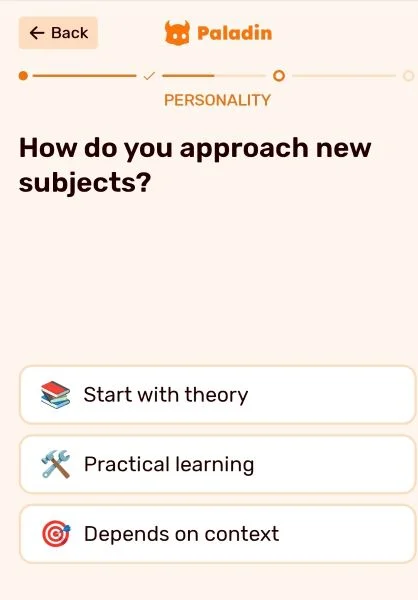
The Paladin history education app uses a series of questions to create an engaging experience and learn about prospective users.
Besides letting people self-qualify, interactive content serves two other purposes. First, it’s very engaging by nature. Asking someone to play a game or identify their personal style snaps people out of their scrolling stupor into a state of attention.
Second, you can gather some very important first-person data. What color options do people prefer? What’s the average budget for a project? How passionate are your customers about a topic? All of these answers can guide future marketing messages.
How to prepare for this prediction
Jess sees this as a long-term trend that’s really ramping up. “In the future, this will be table stakes, but if you get ahead of it this year, you’ll stand out and stay ahead of the competition,” she said. “As a fractional marketing leader, I’m already helping companies build these.”
So if you’re not already doing it, get creative about how you can fold interactivity into your social posts and website pages. For starters, try:
- Pricing or ROI calculators
- Quizzes on social media
- Product selectors and gamified self-assessments
- Before-and-after image sliders

A before-and-after image slider is a great interactive way to show off your work.
10. Marketers and consumers will push back on AI
Elisa Gabbert, Director of Content Marketing at LocaliQ, sees a near-future where both marketers and customers push back to right-size the AI hype.
“I think the AI backlash is coming,” Elisa said. “Consumers will start to get tired of the hype, ads will make tools like ChatGPT less appealing and more like regular search, and marketers will finally start to admit that citations aren’t anywhere near as valuable as clicks to their owned properties. Perhaps we’ll even begin to reckon with the catastrophic environmental impacts of AI technologies…but that may be wishful thinking.”
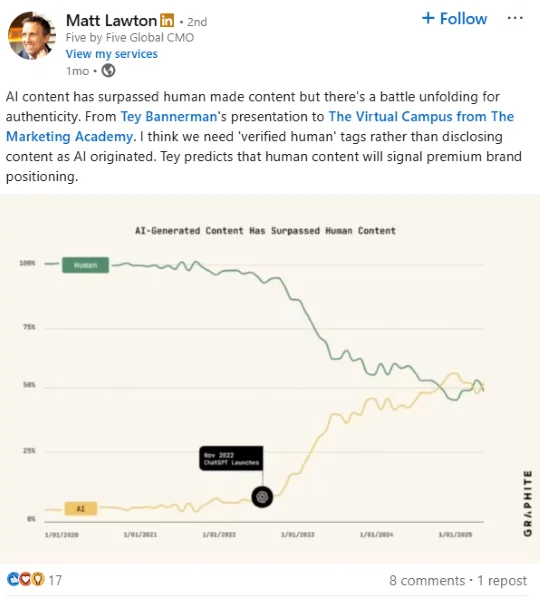
I saw this sentiment start to percolate when I researched this year’s top content marketing trends. A few brands saw major pushback for going too hard with AI videos and AI influencers.
In response, marketers have started talking about labeling human-made content as a way to signal premium brand positioning.
How to prepare for this prediction
Elisa’s prediction is multi-layered. Here’s how I’d break down the response.
First, don’t try to pass off AI-generated content as human-made. Be transparent. And never publish anything that hasn’t been thoroughly vetted and edited—if not wholly created—by a person.
Second, go back and re-read Harley Heler’s prediction. Like Elisa, he believes ads in ChatGPT will push people using it as a search engine back to Google and Gemini. Focus on solid SEO.
And third, take a hard look at what you’re getting from AI visibility. Brand mentions can be valuable, especially when people search for “What’s the best…” in your category. But is the little bit of awareness you might get from a top-of-funnel citation worth the effort to earn it? If not, it might be best to double down on traditional SEO, email, and social media instead of spending a lot of time getting cited by AI Overviews.
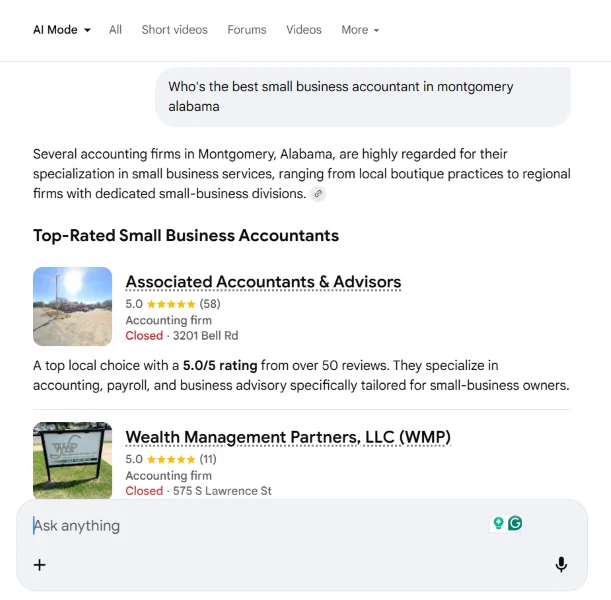
Brand mentions in AI answers for high-intent queries like this one are valuable, but a citation in an AI answer may not be worth the effort.
Will these marketing predictions come true?
We’ll return to these predictions at the end of the year to see which came to fruition and which may still happen a little further down the road.
In the meantime, there’s a lot of useful advice in these forecasts from marketers in the trenches, especially where AI, GEO, and the shifts in audience behavior are concerned. They offer a pretty solid foundation for a forward-thinking marketing strategy.
About the WordStream Blog
We've been a trusted source of data, news, and strategy for over 15 years. All of our content is written and reviewed by real people: a dedicated team of professionals with decades of combined experience in marketing and advertising for businesses of all sizes.


Add us as a preferred source on Google


Meet The Author
Rob Glover
Rob is the Senior Copywriter at WordStream and LocaliQ, with over 10 years of experience in paid and organic marketing—including SEO, social media, content marketing, and local search. He’s worked across dozens of industries, from SMBs to enterprise, and now specializes in helping businesses build sustainable growth strategies. His work has appeared in Search Engine Land, eMarketer, and more. Outside of marketing, he loves to travel, camp, and mountain bike with his wife and dog.