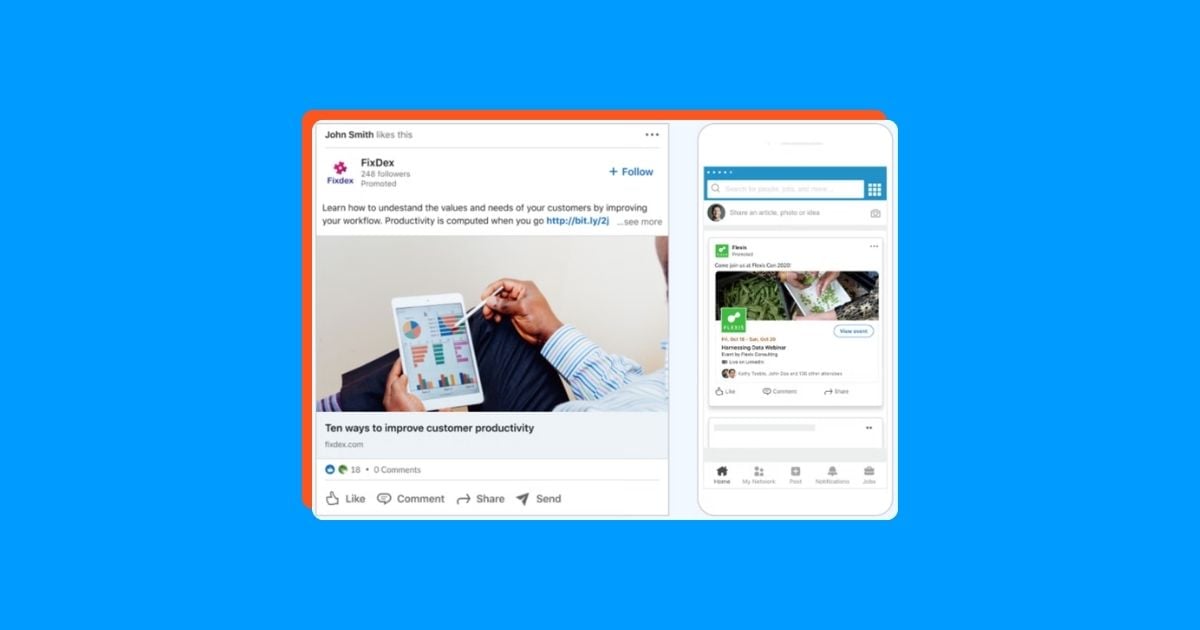
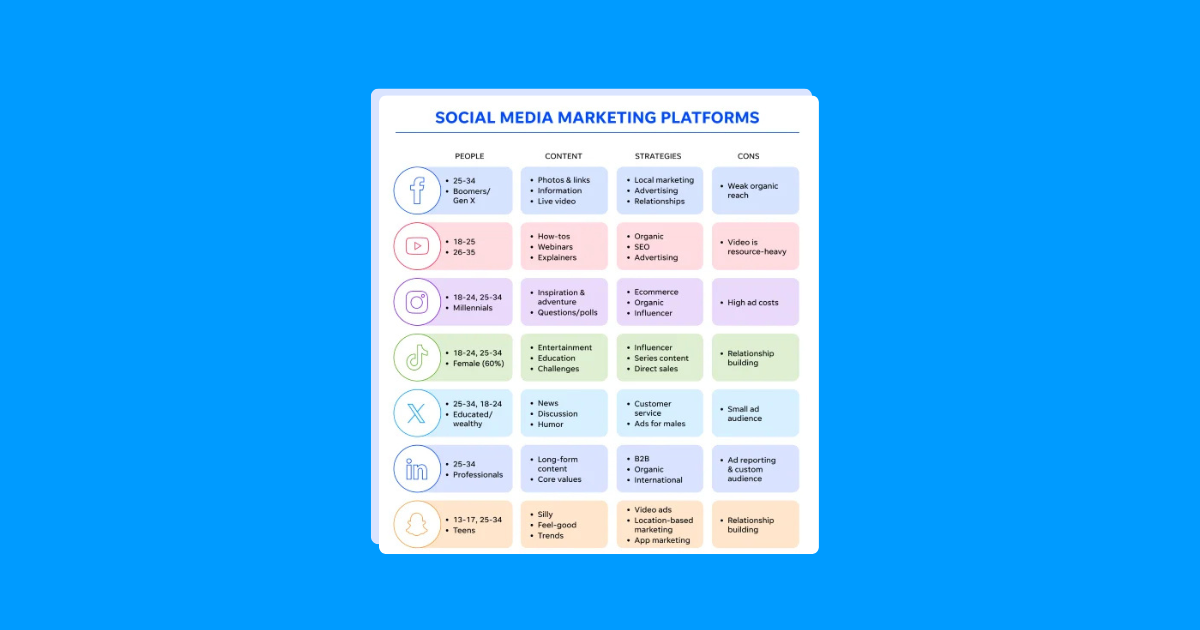
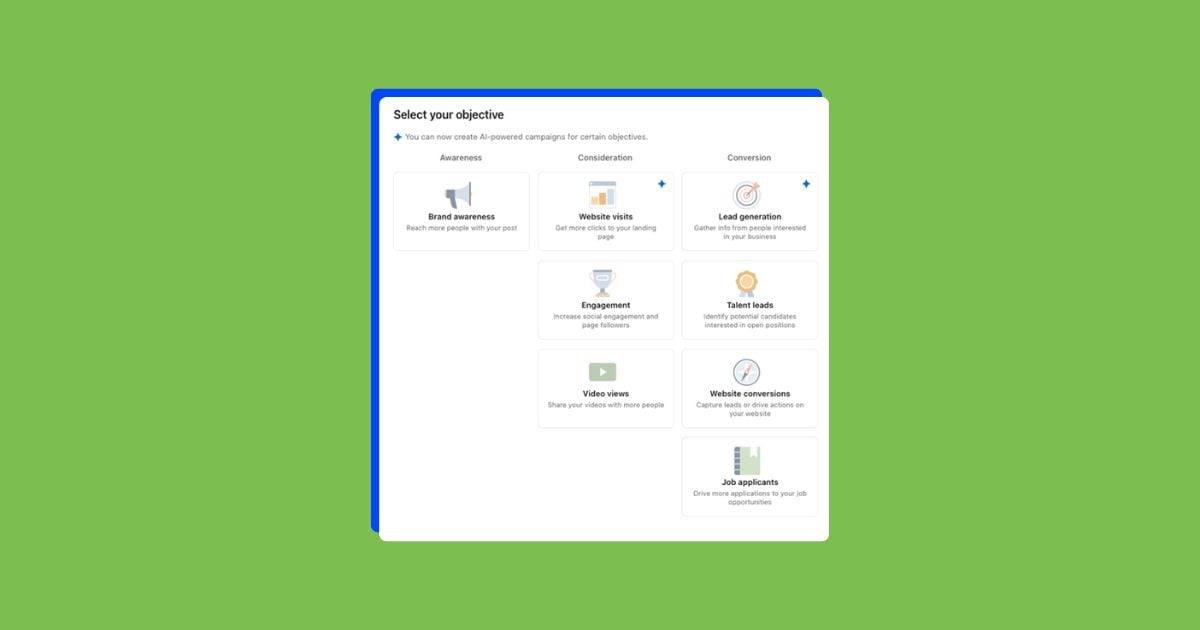
Why is social media optimization more important than ever? According to our survey of 300 small and medium-sized businesses, 64% named social media as their top source of traffic. That’s more than any other traffic source, even search engines.
Their experience jives with consumer behaviors. 61% of buyers say they’ve discovered a new brand or product on social in the last 12 months. And social media is now the most preferred channel for product discovery among consumers aged 18 to 44.
To meet customers where they search and drive more traffic to your website, you need an intentional social media optimization strategy.
In this guide, we’ll define search engine optimization and then break down a successful social media optimization strategy into 21 tactics. We’ll start with quick wins you can do today, and then cover long-term techniques that’ll keep your social presence growing for years to come.
Contents
- What is social media optimization?
- What are the benefits of social media optimization?
- Social media optimization quick wins
- Long-term social media optimization tactics
What is social media optimization?
Social media optimization (SMO) is the practice of refining your social media profiles, content, and posting strategy to increase visibility, engagement, and traffic across social platforms and search engines.
SMO covers everything from keyword-rich bios and consistent branding to choosing the right formats, posting times, and platform-specific features that push your content to more of the right people.
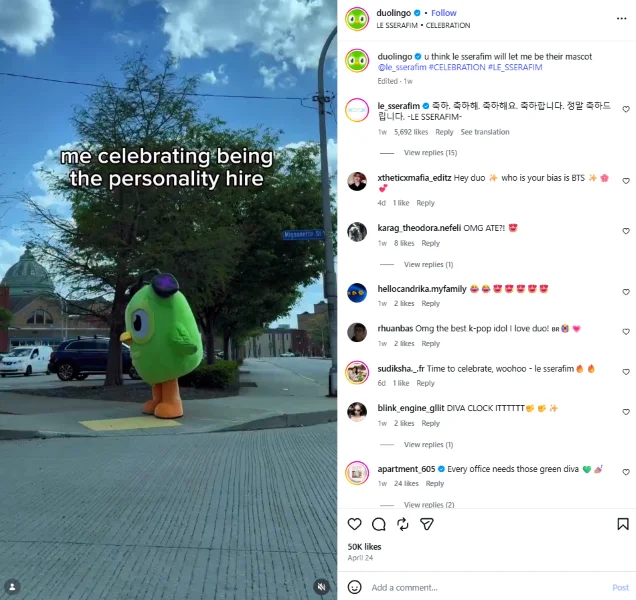
Brands like Duolingo use social media optimization to build large online followings that translate into more customers.
🌟 Ready for even more social success? Download The Definitive Guide to Social Media Marketing (Simplified!)
What are the benefits of social media optimization?
If you’re spending any time posting to social media platforms, optimizing your efforts will help you get a lot more in return. Here are a few specific ways SMO will benefit your business:
- Gain visibility where your audience already spends time: Optimized profiles and content get surfaced by social media algorithms to more people on the platforms they’re already scrolling.
- Enjoy higher engagement rates: When your content matches what your audience actually wants to see, the likes, shares, and comments follow. Social platforms then reward that engagement with even more reach.
- Build a stronger search engine presence: Optimized social profiles rank in Google. A well-built Facebook or LinkedIn page can show up right alongside your website when someone searches your business name or category.
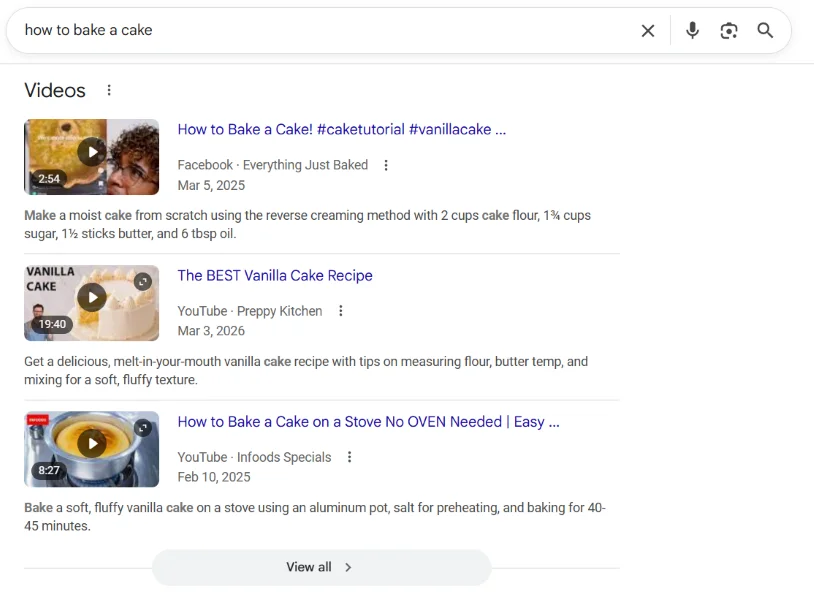
Optimized social media content appears on many search engine results pages.
- Increase visibility with AI platforms: AI tools like ChatGPT, Perplexity, and Google’s AI Overviews draw on social content to answer user questions. An optimized presence makes it more likely your business gets mentioned.
- Drive more referral traffic to your website: Strategic links, calls to action, and content that creates curiosity drive people from your social profiles to your site, where they can actually convert.
- Present a consistent brand that builds trust: SMO means your bios, visuals, tone, and messaging line up across every platform. That consistent brand personality makes your business look credible and professional before a customer ever reaches out.
- Get sharper audience insights: An important aspect of SMO is paying attention to what performs well, which tells you what your audience actually cares about. That will guide future social media strategies so they drive even better results.
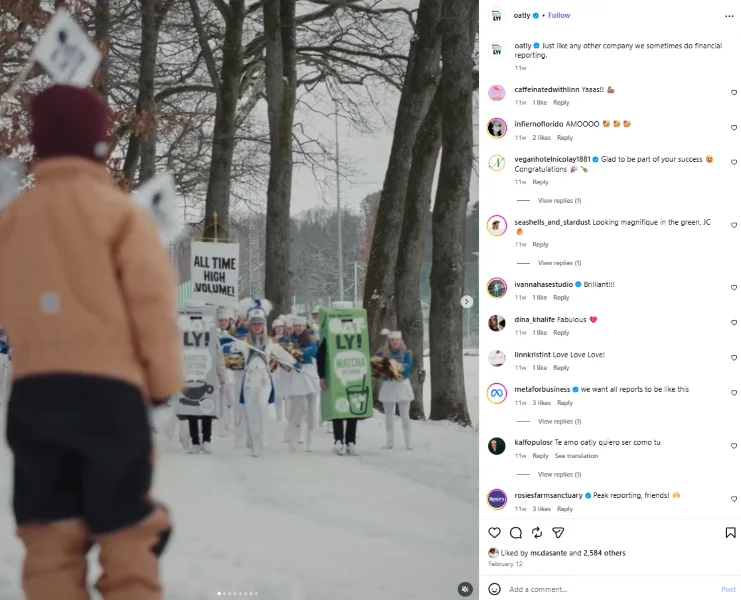
Oatly maintains a consistent brand personality that’s attractive to its target audience.
9 quick social media optimization wins
Let’s start with a handful of ways you can optimize your social media presence in a few minutes. Not only are each of these quick and easy, but they’ll also have a huge impact on how many people see and engage with your content.
1. Optimize your profile and bio
Each social media platform offers some type of profile page you can customize, and they each have some space to write a bio. Together, they act as the home base for your brand for curious visitors and help algorithms and AI know what your account is all about.
What’s allowed in our bio varies by social site. But there are a few rules that apply to them all:
- Fill out all available business information (name, phone number, address if applicable, website, etc.)
- Use relevant keywords to help algorithms identify your page.
- Use clear, professional, recognizable header, profile, and banner images.
- Include a link to your website,

This coffee bar makes good use of its bio, including keywords, location information, and hours of operation.
2. Use the 80/20 rule for promoting products in organic posts
If you want to create long-term, compounding growth through social media, you’ll need to be more than just transactional. That means sharing educational, entertaining, community-building content that gives people a reason to follow you, even when they’re not ready to buy what you sell.
The general rule of thumb is that about 80% of your content should be helpful, brand-building posts, and the other 20% can feature a specific product, service, or promotion.

Goldieblox mixes purely educational posts with its product promotions.
‼️ Get an entire year’s worth of social media content ideas in this free resource >> Your Copy & Paste Social Media Calendar
3. Use hashtags strategically
Hashtags categorize your social media content so that people searching or following specific topics can find it, even if they don’t already follow you. That’s why they’re so important for growing beyond your current audience.
Try using a mix of popular hashtags, like #newhome, location hashtags, like #realestatedenver, and niche hashtags, like #firsttimehomebuyerfinancing.
There is a lot to learn about these little bits of copy. These guides will help:
- Hashtag Ideas for Every Industry & How to Use Them for Your Business
- Popular Instagram Hashtags (+How to Find & Use the Right Ones)
- TikTok Hashtags for Better Discoverability
- Creative Hashtags for Every Day of the Week
4. Add closed captions
92% of users view videos with the sound off on mobile. Closed captions, or subtitles, make sure your message reaches the majority of viewers.

Subtitles help make how-to videos easier to follow along.
Adding subtitles is a great way to make your videos more accessible to people with hearing disabilities.
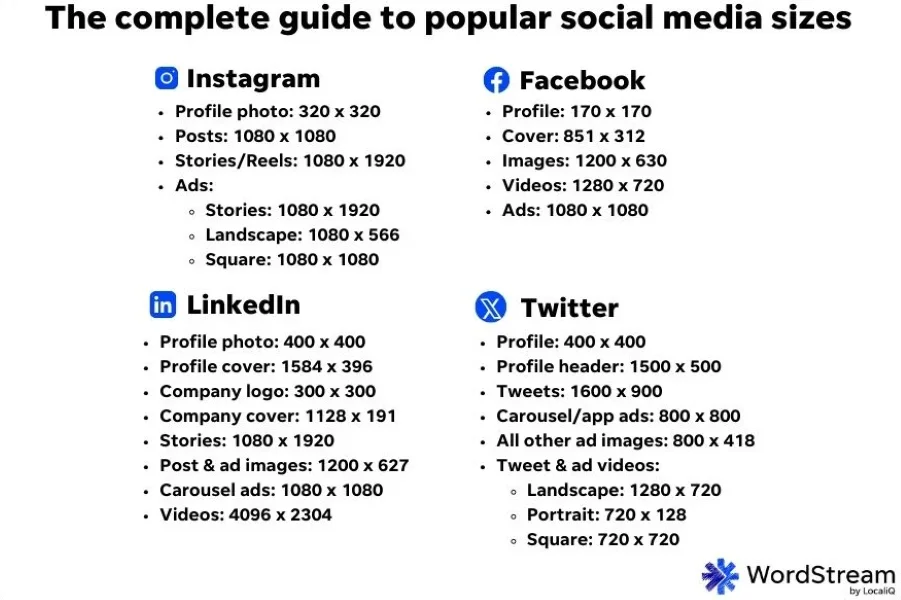
5. Use the right image size
Social media platforms have different rules for the image and video sizes you can use. Follow the rules, and your content will be fully and correctly displayed.
We’ve compiled the latest image sizes for the most popular social networks here.
6. Add alt text to your profile images
Alt text is a short written description attached to an image that tells search engines what the image shows and makes your content accessible to people using screen readers. And it isn’t just for SEO-ing your website.
You can also add those important keywords in the alt text of your social media posts. Check out the advanced settings section in your social network of choice to update it.
7. Post at the right time
When you post on social media can influence how algorithms prioritize your content. That’s because recency is often a ranking factor (new content gets priority), and because early engagement can signal that your content deserves more exposure.
The best time to post depends on several factors, like your time zone, when your audience is online, and the rules of each platform. We’ve dug through the data for each major social network to give you a head start:
- The Best Time to Post on Instagram (For Every Scenario)
- The Best Time to Post on Facebook (+Why it Matters)
- The Best Time to Post on TikTok For Your Business
- The Best Time to Post on LinkedIn for Maximum Engagement
- The Absolute Best Time to Post on YouTube
8. Use compelling calls to action (CTA)
A key component of social media optimization is getting people to take the next step towards buying from your business. A strong CTA helps move people from viewer to buyer.
Most social media platforms offer a set menu of CTA buttons you can add to a post. But don’t let that stop you from including another one in the copy or caption.

Adding a big, bold CTA is one of the easiest and most effective social media optimization strategies.
9. Fill out all business info
Never miss a chance to offer more details about your business. Especially when you can do it for free on social media platforms.
This is especially true on Facebook and LinkedIn, where there are copious places to include business descriptions, images, links, and more.

Fitbit maximizes its Facebook presence with plenty of details about its business.
11 advanced social media optimization tactics
With those quick wins knocked out and your social media presence on the rise, let’s take it to the next level with these more advanced (but still very doable) optimization tactics.
10. Use social media management tools
We’re listing this first because it can help with just about every other strategy on this list. Social media tools come in many flavors, but they typically fit in three categories:
- Paid social media management tools: These are comprehensive tools that usually have scheduling, content creation, and tracking features. Hootsuite and Social Sprout are examples.
- Native social media tools: These include the tools built into each social platform. Facebook’s analytics dashboard and TikTok tools for creators belong in this category.
- Free social media optimization tools: These third-party tools are available at no cost and typically focus on a single aspect of optimization. WordStream’s Facebook Ads Performance Grader and Ahrefs Free AI Social Media Hashtag Generator are part of this group.
11. Engage in the comments
Social media gives you an incredible two-way communication channel that most other marketing platforms can’t match. Use it to create community, encourage discussion, and learn more about your followers and customers.
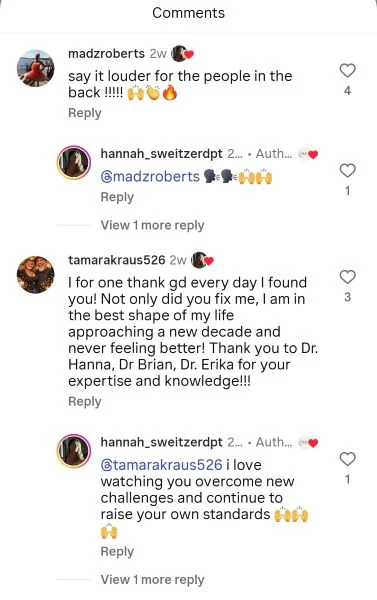
There’s a big bonus here. Your additional comments and conversations with followers are a signal to algorithms that your content is popular and deserves to be shown in more people’s feeds.
12. Move negative conversations to private messages
Stay on social long enough, and you’re bound to get a negative message or twelve. It’s critical that you respond to them quickly and professionally because people are watching. A misstep could cost you followers, which is the opposite of most optimization goals.
There are two steps to follow. First, show compassion. Second, move the conversation to a private channel.

Moving customer concerns to private channels can keep a small incident from becoming a social media crisis.
13. Use social media SEO
Social media platforms work similarly to search engines in that an algorithm, or an AI system, decides which content to show on a user’s screen. And that’s why social SEO is an important part of long-term social media optimization.
To boost your social SEO, find and use relevant keywords in your:
- Bio
- Captions
- Post titles
- Video descriptions
- Video scripts
- Document file names
- Image alt text (as mentioned before)

This sporting goods outfitter loaded its Instagram profile with lots of keywords.
14. Customize your thumbnail images
A thumbnail is the preview image people see before clicking on your video or post. It works like a book cover, motivating people to open and view your content. And that engagement becomes contagious as more people see and watch what you’ve shared.
Your thumbnail image should tell people exactly what they’ll get when they click. It helps to express some emotion and add enough color contrast for it to stand out.
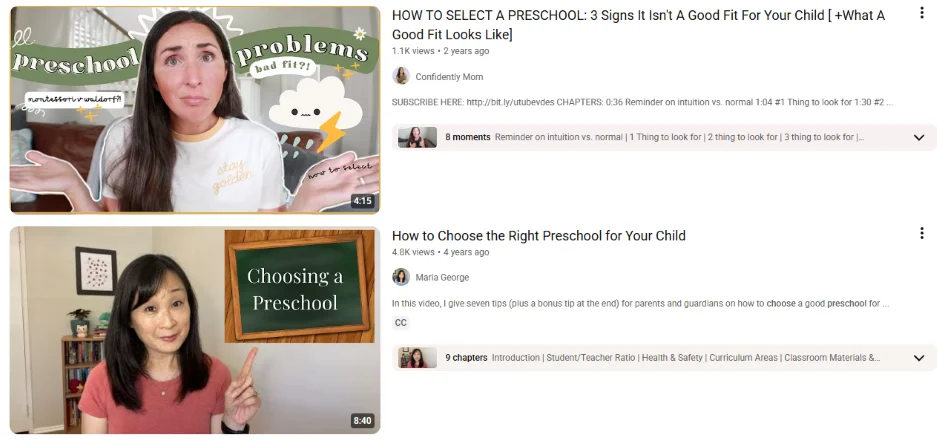
Match your thumbnail to your message and audience.
15. Learn from your competitors
Your competitors offer a masterclass in what to do (or not do) to get results on social media. Tracking their actions is a powerful takeaway that should be a recurring part of your SMO.
To start, simply look for your closest competitors’ accounts, see what kind of content they publish, how often, and the results it gets. If you’re in the lawn care industry and your biggest competitor gets a ton of engagement on how-to videos, add them to your strategy.
You can also peruse the Meta Ad Library (Facebook and Instagram ads) and the TikTok Ads Library to see what their paid promotions look like.
16. Make use of all formats
Social media platforms let you post a variety of content types in various formats. Systematically try each one to learn which generates the best results (and which you can keep up with).
For example, on Instagram alone, there are video and static-image feed posts, carousels, Reels, Lives, and Stories.

Get Sunday makes use of video ads, still images, and Stories in its Instagram account.
17. Share user-generated content (UGC)
There are two common challenges with optimizing your social media presence. One is that it’s hard to create enough content to post constantly. The other is that it’s hard to get in front of new audiences quickly.
UGC—photos, videos, reviews, or posts that your customers create about your brand—addresses both of those hurdles. That’s because it’s a free source of new content and, when you tag the creator, you can get in front of their social network.

Chewy’s customers post about their products, giving the brand access to fresh, trusted content.
18. Add UTMs to your links
UTMs are short tracking codes you add to the end of a URL that let you track where traffic comes from. They don’t change anything about how the link operates for viewers. They just create a unique URL that you can single out for different channels.
For SMO, UTMs make it possible to tell if a link to your website came from Facebook, Instagram, and so on. Or, you can create them for a specific promotion. That’ll let you know if a discount code or a new product drop is better at driving traffic.
19. Use polls and ask questions
We’ve mentioned a couple of times that getting engagement is both a goal of SMO and a way to generate even more engagement. Polls and questions are excellent ways to get that engagement snowball rolling.
Here’s a simple and powerful example. Staples used an Instagram Story Ads Poll to ask the age-old question of which way the roll should go.

This kind of cultural quiz can drum up a lot of buzz. But you can also use this tactic to learn about your customers and even guide things like product or service design. Just ask which colors or features your followers like most, for example.
20. Test, track, and tweak
The final social media optimization tactic is also the most important. Nothing in social is set it and forget it. You have to be intentional in trying new things, identifying which ones work, and adjusting your strategy to improve.
This isn’t only to find new tactics that work best now. It’ll help you adapt as social evolves. Whether it’s the influence of AI or the rise of a new social network, you’ll be ahead of the curve if you have a solid testing method in place.
Here are a few questions to ask as you design each test:
- Who will run the test?
- What parameters are you comparing (copy variations, video vs still images, different platforms)?
- Which social media metrics will you use to measure the outcome?
- What will you do with the data?
Social media optimization starts with an audit
We’ve shared 20 of the best ways to optimize your social media presence. But before you dig into any of these tactics, you should take a beat to figure out where you are.
If you’ve never posted on social for your brand before, then you’re done. But if you’ve been active already, start with a social media audit. That will give you a baseline for things like follower counts and engagement rates to build off of. It will also offer early insights into what’s worked in the past, so you’re not starting from scratch.
About the WordStream Blog
We've been a trusted source of data, news, and strategy for over 15 years. All of our content is written and reviewed by real people: a dedicated team of professionals with decades of combined experience in marketing and advertising for businesses of all sizes.


Add us as a preferred source on Google

Meet The Author
Rob Glover
Rob is the Senior Copywriter at WordStream and LocaliQ, with over 10 years of experience in paid and organic marketing—including SEO, social media, content marketing, and local search. He’s worked across dozens of industries, from SMBs to enterprise, and now specializes in helping businesses build sustainable growth strategies. His work has appeared in Search Engine Land, eMarketer, and more. Outside of marketing, he loves to travel, camp, and mountain bike with his wife and dog.