You put a lot of effort into capturing new leads. So it’s painful when someone decides not to take the next step to become a customer. And if you’ve paid to acquire those leads, losing them to a competitor stings even worse.
But the reality is that many people won’t buy immediately after learning about your business. They may need time to research options, or they’re just planning for a future purchase.
After 15 years in business development, I can confidently say that sending a “just checking in” email will never work.
Effective lead follow-up requires a well-timed, personalized, value-focused approach using all the channels that reach your customers.
That’s what you’ll find here. It’s all the steps, examples, and tips you need to keep leads engaged and moving towards a conversion. We’ve also included several lead follow-up templates for the most common outreach situations.
Contents
- 7 steps to better lead follow-up
- Common lead follow-up mistakes and how to avoid them
- Lead follow-up templates you can copy (+examples)
7 steps to better lead follow-up
Converting leads isn’t a spectator sport. Here are seven steps you can take to turn more potential customers into buyers—and energetic evangelists—for your business:
- Respond fast
- Prioritize leads based on need
- Personalize your lead follow-up
- Use multiple follow-up channels
- Offer value with every follow-up opportunity
- Keep the conversation moving forward
- Track your lead follow-up communications
🤝 Want to turn even more leads into customers? Get 14 Super-Fast Ways to Boost Conversions14 Super-Fast Ways to Boost Conversions14 Super-Fast Ways to Boost Conversions
Respond fast
The #1 way to follow up with leads better is to get faster.
Why? 56% of consumers expect a business to respond within one hour after they submit a form. Only 36% actually get it. And 79% switch to a competitor that responds faster.
Most people will head to the next business on the list if you don’t get back to them fast.
It doesn’t have to be a complete answer. Just an acknowledgment that you received their request and an explanation of the next step.
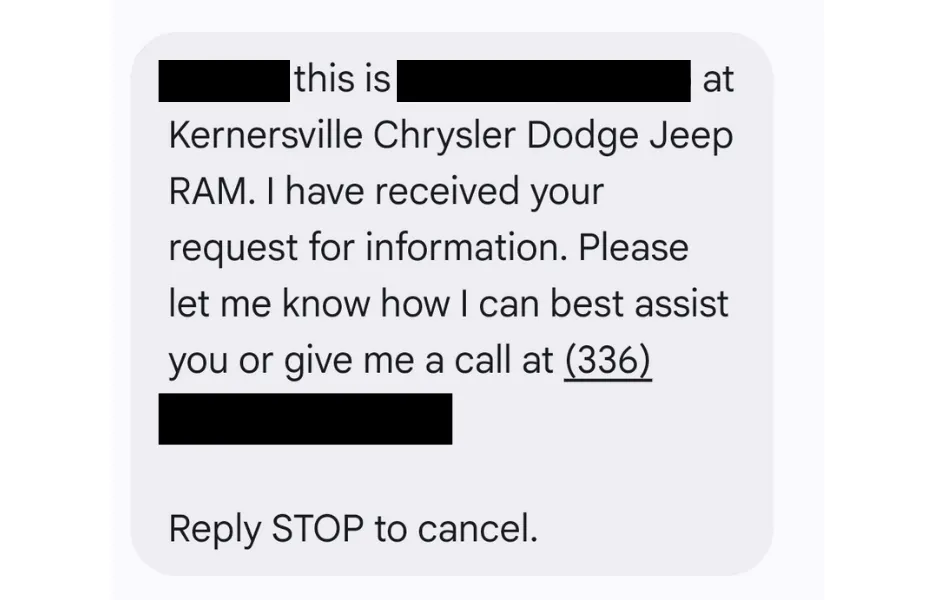
The challenge, of course, is how to get back to everyone quickly, especially when you’re busy making current customers happy.
Luckily, you don’t have to go it alone. There are tools available that can send a text, reply to an email, or even handle complex conversations on your behalf.

Dash by LocaliQ uses generative AI to answer complex questions via phone, text, and website chat so new leads don’t become missed opportunities.
Prioritize leads based on need
Not every lead needs you now. Some are window shopping for a future project, while others have their debit card out and ready. Your job is to figure out which leads are hot, which are cold, and what to do with each.
AI tools come in handy here, too. They can summarize incoming lead communications and flag those that need an immediate response.
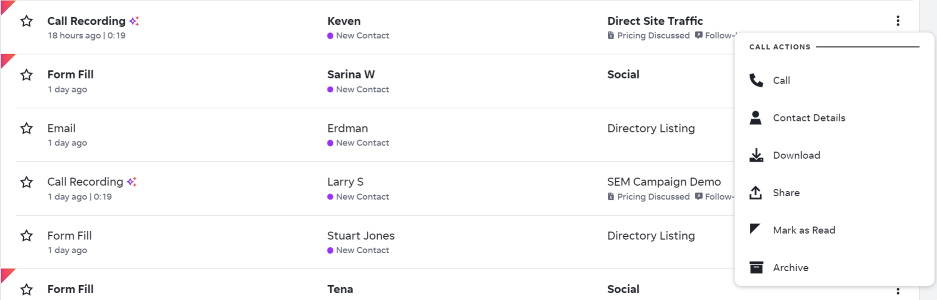
AI tools like Dash help you triage incoming messages so you respond to the hottest leads first.
Once you’ve categorized a lead, you can decide what type of communication works best. A hot lead gets an immediate call back. A tire kicker gets an email with an explanation of your solution and a demo link so they can learn more.
Tailoring lead follow-up helps you capture immediate sales without scaring away future buyers. And speaking of personalized follow-up…
Personalize your lead follow-up
Personalizing lead follow-up means sending leads messages that are more relevant to them. They can include the lead’s name, a mention of a product or service they’ve asked about, and other specifics of their interaction with your business so far.
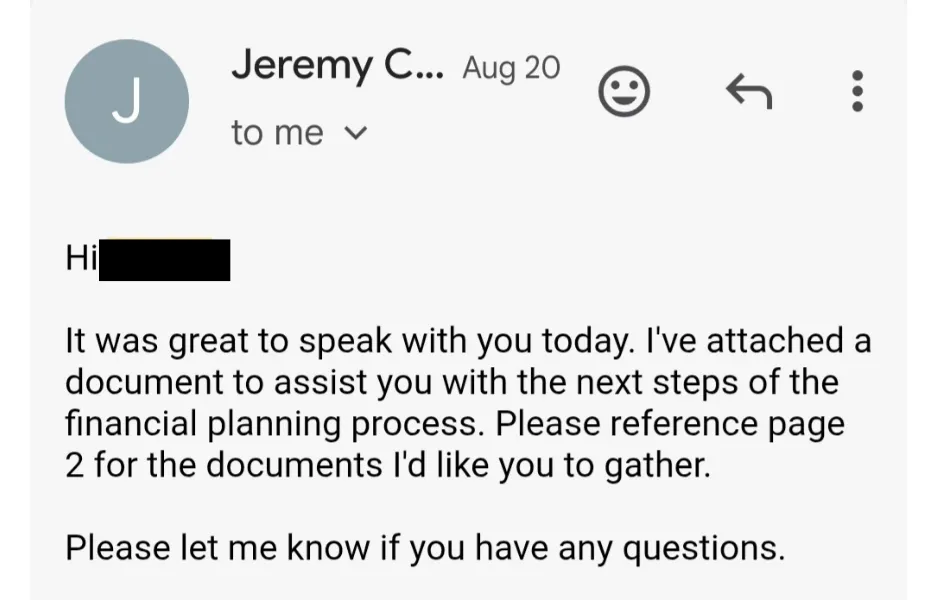
Your customers want this type of relevant communication. 64% of buyers say messages are too generic, and 80% are more likely to ignore brands that send irrelevant messages.
Here’s a before-and-after example of personalized follow-up:
| Approach | Message |
|---|---|
| Generic | “Thanks for your interest in our services!” |
| Personalized | “Hi Marcus, you asked about fall cleanup for a half-acre lot. Most jobs that size run $300–$450. Want us to stop by this week for a free quote?” |
The personalized option is more informative and memorable.
Apply this tactic to every type of communication, from email to text to voicemails.
Use multiple follow-up channels
Customer communications are more complicated than ever. A single lead might engage with your business through its Instagram page, email, and website chat. And there’s the old standby of direct mail, which delivers surprisingly strong results (63% of consumers are inspired to act after receiving direct mail).
That doesn’t mean every lead should get a message on every channel. Base it on how they’ve contacted you and what they’ve requested. A phone call is very effective, but can also be intrusive if the lead didn’t ask to be called back.
That said, don’t miss an opportunity to follow up on a different channel. If someone opts in for emails and text messages, use one for things like time-sensitive promotions and the other for education and long-term engagement.
Offer value with every follow-up opportunity
Every follow-up touchpoint should lead with “what do they get” instead of “what do I get.”
Give a lead something useful, like a quick tip, a price range, or an open appointment slot, and they’ll have a reason to pay attention to each communication.

Sending a helpful blog post or guide is a good option. Here are a few more you can tailor to the follow-up channel and buyer:
- A list of quick tips to make whatever they’re buying work better.
- A price range or cost calculator for the product or service they’ve asked about.
- A limited-time promotion.
- An open appointment slot or new product drop.
We recently published a guide on how to use AI to build useful tools, like cost calculators, that would make valuable follow-up assets.
🛑 Put more leads into your follow-up pipeline. Download 14 Fast & Easy Ways to Get Free Leads (+Examples You Can Copy)
Keep the conversation moving forward
The goal of lead follow-up isn’t just to stay in touch. It’s to guide potential buyers toward making a purchase.
Remember our personalized follow-up example?
“Hi Marcus, you asked about fall cleanup for a half-acre lot. Most jobs that size run 300–450. Want us to stop by this week for a free quote?”
It included an offer to provide a free quote. That’s the energy you want to bring to every lead follow-up. Think about what the next logical step in the buyer’s journey is, and include some type of call to action that leads your lead to it.
Some options to consider:
- Subscribe to our newsletter
- Download this guide or use our free tool
- Compare us to the competition
- Get a free demo or quote
Track your lead follow-up communications
Hopefully your lead generation strategies are bringing lots of potential customers. If so, you’ll need a way to track your follow-up progress with them.
Lead tracking makes it possible to:
- Know where leads are on their path to purchase
- Personalize lead follow-up
- Assess which follow-up techniques and channels work best
If you only handle a few leads each month, a simple spreadsheet will do. Beyond that, lead tracking tools tell you where each lead is and which lead sources are doing the most work.
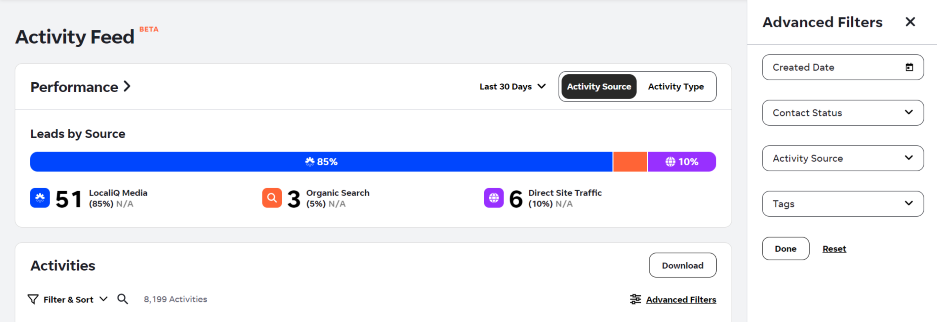
Dash shows your most valuable lead sources.
Read this guide to lead management for a rock-solid way to keep all your leads in view.
6 common lead follow-up mistakes and how to avoid them
The perfect lead follow-up strategy is unique to your business. It takes time to learn what works best. But you can speed up the learning curve by avoiding these common mistakes.
Not setting up a follow-up cadence
Random acts of marketing rarely deliver repeatable results. That’s certainly true for lead follow-up. It’s much better to go in with a follow-up cadence that gets adjusted as you learn more about how, and when, leads buy.
The target here is to land somewhere between annoying a lead with too many messages and missing opportunities with too few.
In general, you’ll start with more follow-ups right after key points in the buying process (right after someone reads a guide, gets a quote, etc.) and then space them out longer term.
Then, track things like email open rates, link click-through rates, and conversion rates (calls, quotes), plus direct feedback, to tweak the timing.
Not adding trust signals
On the opposite end of your lead follow-up messaging is a person figuring out if you, your business, and your solution are trustworthy. It’s a huge miss if you don’t help them decide that you are.
Now, in this case, showing is WAY better than telling. So to correct this common lead follow-up mistake, include all sorts of social proof in your messaging.
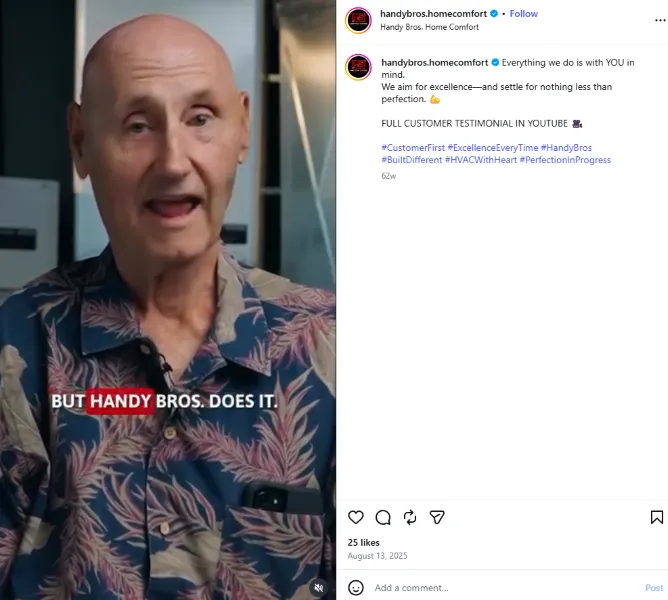
Include a link to video testimonials in your follow-up messages to solidify trust.
Some social proof ideas for your follow-up messaging include:
- Customer testimonials and quotes
- Reviews from Google, Yelp, Facebook, etc.
- Before and after photos
- Customer counts (Trusted by over 2,000 homeowners)
- Awards
- Media mentions (As seen in Home & Garden)
- Direct referrals (Your neighbor Sarah recommended us…)
Ignoring how a lead responds
Your leads will give you feedback with every message you send. Even no response is valuable intel. If you ignore those signals, you’ll keep repeating what isn’t working.
Create a follow-up strategy based on how leads react and adjust as you go:
- No reply to emails: Try a text or a quick call (assuming they’ve opted in). They may just prefer a different channel.
- Opened but didn’t click: Your subject line worked, but the message didn’t. Make the next step clearer or the offer more specific.
- Clicked your pricing page but didn’t book: Cost may be the hang-up. Follow up with financing options, a smaller starter package, or a review from a happy customer.
- Replied “not right now”: Ask when a better time would be and set a reminder to check back then.
- Went quiet after a quote: Send something useful, like a before-and-after photo of a similar job instead of another “just checking in.”
The cool thing is you’ll see patterns over time. Maybe most leads respond to texts or reply faster in the evening. Build those patterns into your process so every new lead gets a better follow-up than the last.
Lead follow-up templates you can copy (+examples)
Use these templates as a starting point. Swap in the bracketed details, keep each message short, and end with one clear next step. Each template includes a filled-in example and a quick note on why it works.
Lead follow-up template for a first response
Send this within five minutes of a new form fill or inquiry.
Hi [Name], this is [Your name] with [Business]. Thanks for reaching out about [their request]. We can [next step or availability]. Does [specific time] work for you?
Here’s an example using an HVAC service:
Hi Dana, this is Mike with Carolina Comfort Heating & Air. Thanks for reaching out about your furnace not kicking on. We have a tech nearby tomorrow morning. Want us to hold an 8–10 a.m. slot for you?
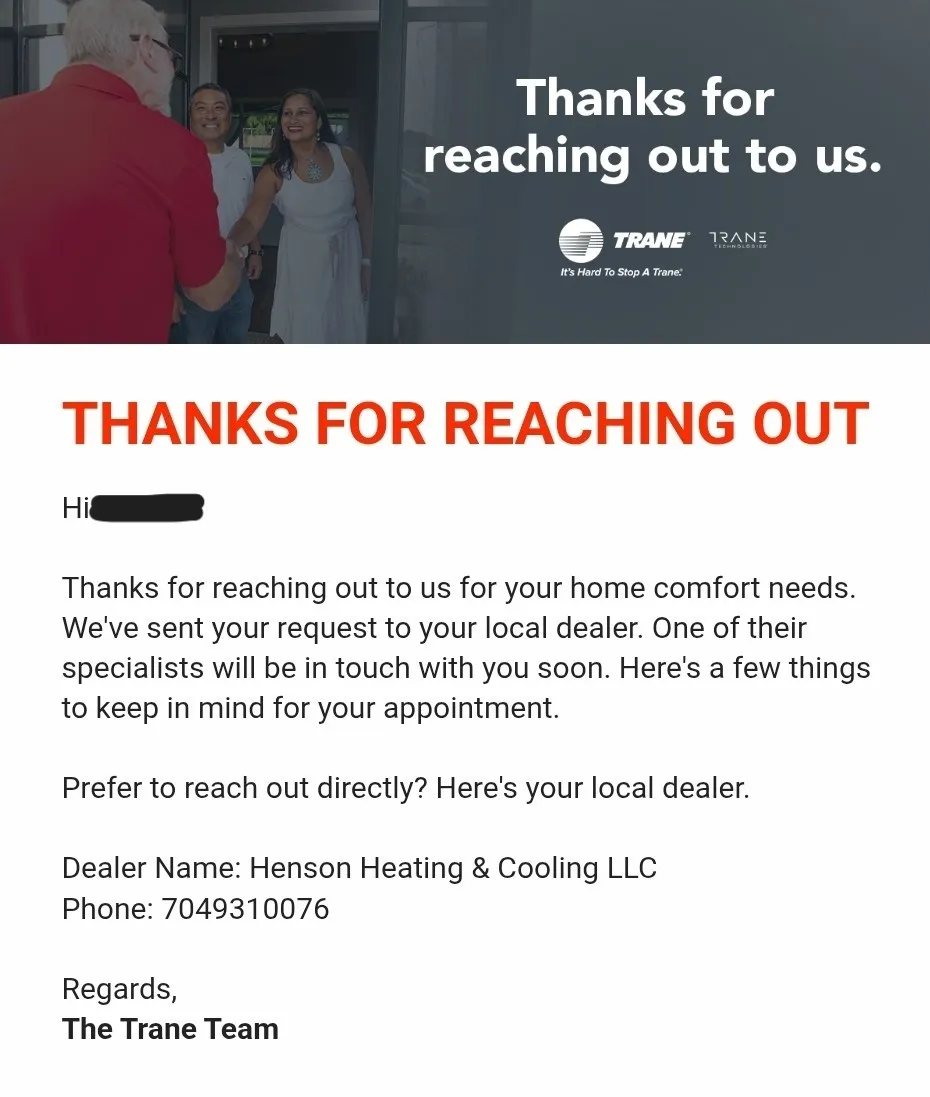
Send a quick follow-up after the first contact, even if you’re handing the lead off to a different team.
Why it works: It’s fast, it repeats what Dana asked about, and it offers a specific time. She can say yes in one word.
Lead follow-up template for missed calls
Send this right after a missed call (set this up to send automatically if you can).
Hi, this is [Business]. Sorry we missed your call! We’d love to help with [service, if known]. Reply here with a good time to talk, or book online at [link].
Here’s an example using a medical spa:
Hi, this is Glow Med Spa. Sorry we missed your call! If you’re interested in a consultation, we have openings this Thursday and Saturday. Reply with a day that works, or book online at [link].
Why it works: Someone who reaches voicemail will often call the next business on their list. A quick text keeps the conversation going and skips the phone tag.
Lead follow-up template for a second touch
Send this one to two days after your first message, if there’s no reply.
Subject: [Name], quick answer on [their question]
Hi [Name],
Following up on your question about [request]. [One useful piece of info: a price range, an answer, or a tip.]
I can [next step] this week. Just reply with a time that works.
[Signature]
Here’s an example using a CPA:
Subject: Jordan, quick answer on your LLC taxes
Hi Jordan,
Following up on your question about filing taxes for your new LLC. Many first-year business owners don’t realize they may need to make quarterly estimated payments. We can walk you through what applies to you.
I have 20-minute calls open Tuesday and Wednesday afternoon. Want me to send a calendar link?
Taylor
Why it works: It gives Jordan something useful instead of a “just checking in.” A new channel also gives your message a second chance to get seen.
Lead follow-up template after a quote
Send this one to two days after sending a quote or estimate.
Subject: Your [product or service] quote + a few options
Hi [Name],
Thanks again for [visiting or talking with us] about [product or service]. Your quote is attached.
A few things that might help you decide: [financing, trade-in, a review, or a guarantee].
Want to [next step] this week? Just reply with a day that works.
[Signature]
Here’s an example using a car dealership:
Subject: Your SUV quote + a few options
Hi Priya,
Thanks again for coming in Saturday to test drive the SUV. Your quote is attached.
A few things that might help: we have several financing options, and we can appraise your current car for trade-in in about 20 minutes.
Want to stop by this week to go over the numbers? Just reply with a day that works.
Marcus
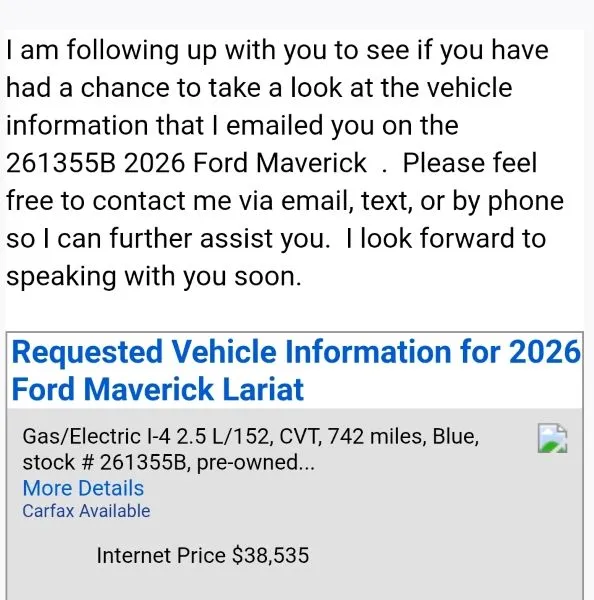
Buyers often get multiple quotes. Add details to your quote lead follow-up that make it easy to keep track.
Why it works: It answers the questions that usually stall a purchase (how will I pay, what about my old car) before Priya has to ask.
Lead follow-up template for “not right now” leads
Send this when a lead says the timing isn’t right.
Hi [Name],
Totally understand. I’ll check back in [timeframe they mentioned]. In the meantime, here’s [helpful resource] that might help you plan.
Talk soon,
[Signature]
Here’s an example for a vacation planner:
Hi Chris,
Totally understand that summer feels far off. I’ll check back in January, before popular summer dates start filling up. In the meantime, here’s our quick guide to planning a family beach trip on a budget.
Talk soon,
Lauren
Why it works: It respects Chris’s timeline, gives him something useful now, and sets up the next follow-up so it doesn’t feel random.
Lead follow-up template for a final follow-up
Send this after three to five follow-ups with no reply.
Hi [Name], I haven’t heard back, so I’ll assume [service] isn’t a priority right now. If anything changes, just reply here and we’ll [benefit]. Thanks!
Here’s an example for a yoga studio:
Hi Sam, I haven’t heard back, so I’ll assume now isn’t the right time to start classes. If anything changes, just reply here, and we’ll set you up with a free first class. Hope to see you on the mat!
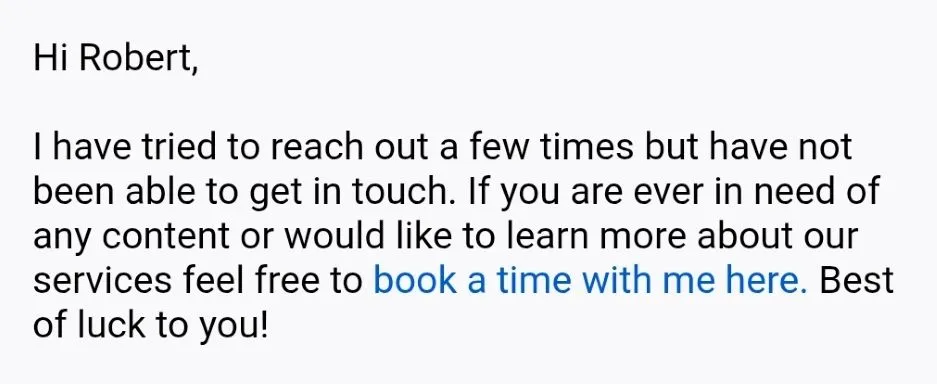
A simple “breakup” message with a link for future contact is all you need.
Why it works: It’s low pressure and gives Sam an easy out, which can prompt a reply. It also gives you a clean stopping point so leads don’t sit in limbo.
Learn how to follow up with leads for more conversions
A low conversion rate not only throttles your growth, but also wastes the money you’ve spent promoting your business. A solid lead follow-up process turns more leads into customers now and creates opportunities for future sales you don’t have to pay more to get.
Use the steps and ideas in this guide to keep leads engaged so you’re the obvious choice, whether they buy tomorrow or next year.
If you’d like to generate and convert even more leads, reach out. We’ll show you how we use proprietary technology and marketing expertise to help you promote smarter, reply faster, and gain insights from every interaction.
About the WordStream Blog
We've been a trusted source of data, news, and strategy for over 15 years. All of our content is written and reviewed by real people: a dedicated team of professionals with decades of combined experience in marketing and advertising for businesses of all sizes.


Add us as a preferred source on Google
Are you wasting money in Google Ads?

Meet The Author
Rob Glover
Rob is the Senior Copywriter at WordStream and LocaliQ, with over 10 years of experience in paid and organic marketing—including SEO, social media, content marketing, and local search. He’s worked across dozens of industries, from SMBs to enterprise, and now specializes in helping businesses build sustainable growth strategies. His work has appeared in Search Engine Land, eMarketer, and more. Outside of marketing, he loves to travel, camp, and mountain bike with his wife and dog.
Recommended for you