Keyword research sounds like such a daunting task. Even as a seasoned SEO and PPC professional, I still get tripped up when keyword research is on my to-do list. However, after extensive hours in Excel sheets, ad platforms, Google Search Console, and just about every keyword research tool under the sun, I feel I’ve finally cracked the code for how to research keywords as efficiently as possible.
In this easy guide to keyword research, I’ll walk you through everything you need to know to find the best keywords for your business, including what keyword research is and why it’s essential, along with the steps and tools to perform easy and effective keyword research.
Once you nail down your keywords, you can start to have fun with your campaigns, so let’s get it done and dusted. Use these recommendations and tips to show up exactly where your potential customers are looking!
Contents
- What is keyword research?
- Why is keyword research important?
- How to do keyword research in 10 steps
- Our favorite keyword research tools
What is keyword research?
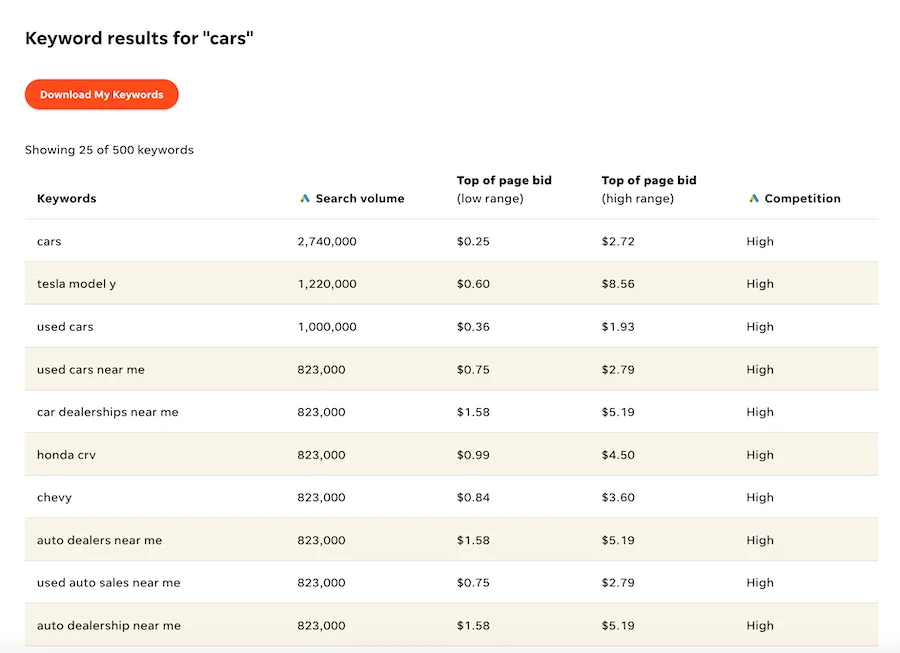
Keyword research is the process of finding the terms people use to search for information on a topic, as well as how often those keywords are used in search engines like Google and Bing. Keyword research is the best way to find new, relevant keywords to expand your paid and organic search marketing campaigns.
“Keyword research helps you discover and prioritize the search terms that truly matter to your business and goals—so your ads appear for the right searches, not just more searches. The strongest keyword lists aren’t the largest; they’re filtered by intent, ensuring every click has a clear purpose,” said Jennah Patel, Senior Manager of Marketing Operations at LocaliQ and WordStream.
Keyword research can be conducted through a variety of tools that we’ll discuss in more detail below, but the main goal is to find the right search terms that have intent aligned with your business’s content and offerings, along with decent search volume.
In addition to search volume, other keyword metrics may be helpful when conducting research and prioritizing which keywords to target, such as:
- Cost per click (CPC)
- Competition (how difficult it is to rank for that keyword)
- Your own site authority
Why should you do keyword research?
Keywords are the building blocks of not only your online presence, but also your business growth, since keywords help you get found by customers online. Google processes over 14 billion search queries each day. That’s a lot of keywords! But you can’t just target any and every keyword. You need to do your research to find the most fruitful ones for your business.
You want your content to consistently target the terms and topics your audience is interested in. There’s an art and science to it.
If your targeted keywords’ search volumes are too low, leads won’t be able to discover your ads or organic listings, visit your website, and turn into paying customers. But if the keywords you’re trying to rank for or bid on are too popular, you might not get on the SERP at all or end up overpaying for your ad clicks.
Here are three areas where having the right balance of quality keywords is most critical.
For SEO
The first and most obvious reason we need keyword research is to optimize for organic search. Search engine optimization (SEO) helps Google bots crawl and index our websites to rank organically on the search engine results pages (SERPs). One of the primary ways that search engines decide what to rank is by crawling for keywords that show relevance between the user’s search query and the content on your website.
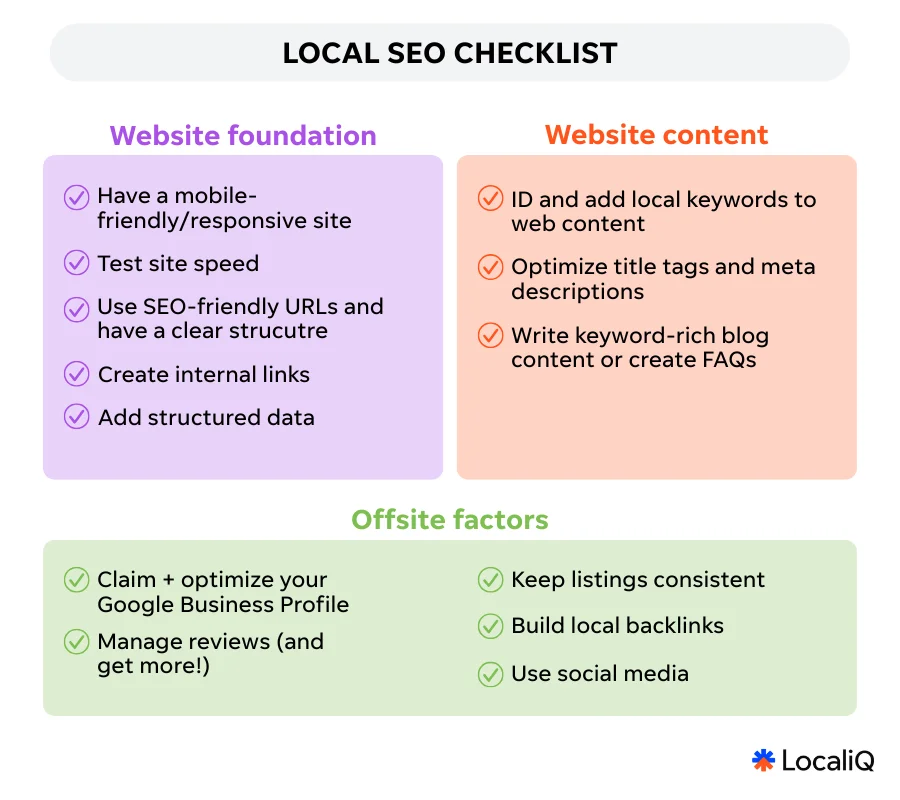
Keyword research is a critical step in building your business’s SEO strategy.
💡 See how businesses like yours are approaching keyword research this year with our latest small business website trends report that covers SEO, GEO, and the future of traffic!
To fuel your content strategy
We all know that SEO and content go hand-in-hand. Without content on your website, strong SEO will not follow.
“Effective content strategies start with keyword research,” says Search Engine Land columnist Nate Dame. “Modern keyword research provides significant insight into what audiences want and need.”
Every single piece of content on your site, whether it be a 300-word blog post or a 5,000-word guide, should be written with SEO in mind. That is, it is focused around a keyword that strikes the right balance between high search volume and competition.
For paid campaigns
Marketers often think about SEO and content when referring to keyword research, but most of your paid campaigns should also be keyword-focused. Whether it be your paid search ads, display ads, remarketing, or social media campaigns, all of these strategies need to be centered around the terms that people are searching for.
For example, with paid search, you’re literally bidding on individual keywords. Keywords make up your ad groups, which make up your campaigns. If these keywords have low search volume, then your ads are going to get little or no traction. Also, if your keywords do not pertain to your target audience, you’re going to get the wrong people clicking on your ads, which wastes your precious budget.
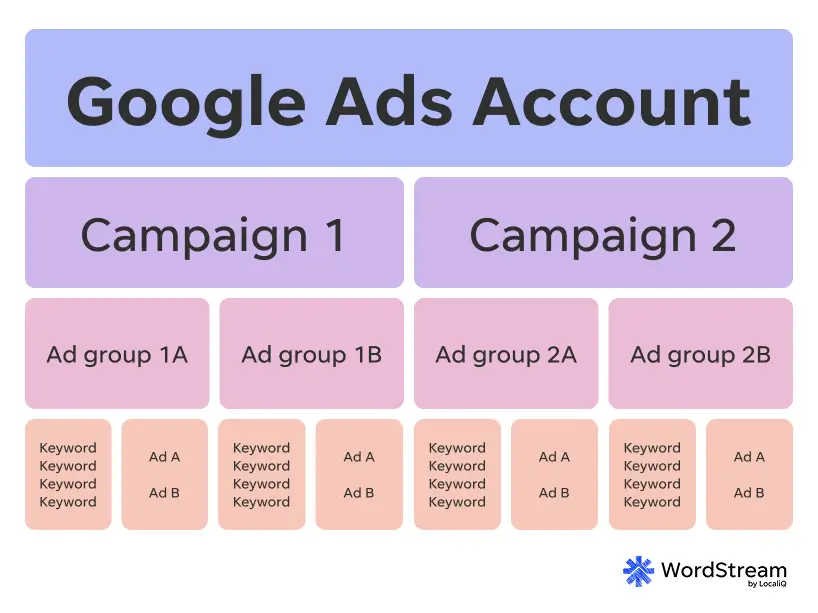
The bottom line is that keyword research is key in all search marketing campaigns!
“Keyword research is especially critical when launching a new campaign, expanding into a new service or category, or when performance shifts and results start to plateau or decline,” Jennah said.
How to do keyword research like a pro in 10 steps
Keyword research may sound intimidating, but it’s actually much easier than you’d think. Here are the steps to get you off to a productive start.
1. Understand keyword intent
Before we get into the logistics of how to conduct keyword research, it’s critical to mention the importance of keyword intent. Keyword intent is the reason a person is searching for something in the first place.
There are four main types of keyword intent:
- Informational: Searching for specific answers or background knowledge on a topic.
- Commercial: Searching to research a purchase.
- Transactional: Searching to make a purchase.
- Navigational: Searching for a specific site or brand.
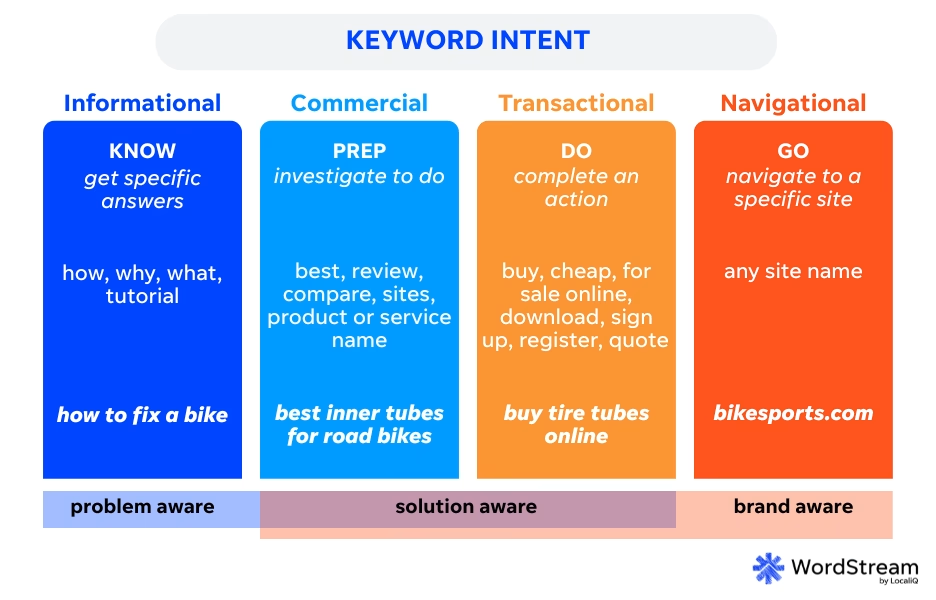
You can see why this would be important for keyword research, right? If you’re unable to understand the true intent of your keywords or if the keywords you’re targeting have the wrong intent that isn’t aligned with your business goals, then they are essentially useless.
Let’s take paid search as an example. The keywords “wedding cake” or “wedding cake ideas” show a very different intent than “buy wedding cake in Boston” or even “wedding cake shops near me.” These latter two options have much higher commercial intent, meaning they indicate that the goal is to find a store and purchase a cake.
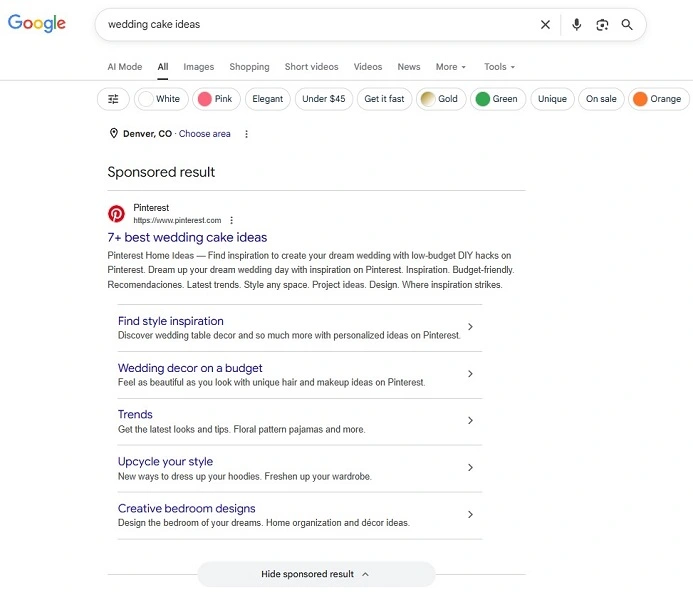
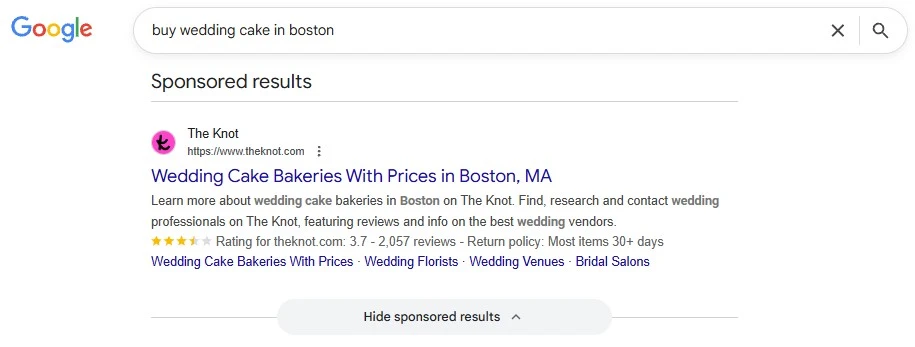
People searching those keywords are closer to the bottom of the funnel, the point of purchase.
So while it makes sense to target commercial keywords with shopping ads, conversion-optimized landing pages, and other content that makes it easy to buy, the intent of higher-funnel, less commercial keywords might be better met with a blog post full of wedding cake ideas.
Being able to truly understand your prospects’ intent is critical to being successful at keyword research and search marketing in general.
🔍 Find the best keywords for your business with our easy Free Keyword Tool.
2. Brainstorm a list of broad topics related to your business
Start thinking of the different categories and topics that pertain to your business. Start broad, and don’t worry about getting too specific right away.
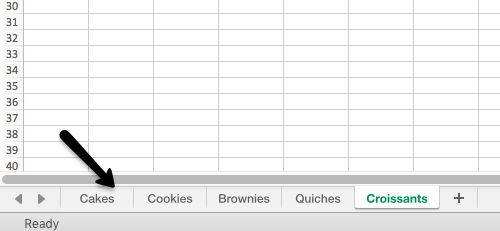
For example, if you’re a bakery, you might break down your topics by the types of baked goods you sell, like cakes, quiches, croissants, cupcakes, brownies, cookies, etc. It can help to use a Google document or an Excel spreadsheet and create tabs for each of these main topics you’ve brainstormed.
3. Use keyword tools to find specific keywords within each topic
Alright, this is where the fun begins! You really need to put yourself in the shoes of your customer and think about how you would discover your business if you were them. If you’re a marketer with little customer-facing interaction, it can help to speak with your sales team to see the language that new leads typically use.
You can start with a simple brainstorm. Let’s go back to our bakery example for this one, focusing on the “cakes” category. Since you make cakes for special occasions, you might write down some keywords like “wedding cakes,” “affordable wedding cakes,” “stylish wedding cakes,” “summer wedding cakes,” etc. Then you may focus on other occasions that you sell cakes for, like birthdays or anniversaries. You’ll then recall that people often search for specific flavors like “red velvet” and “marble.”
Oh, and location is important! You should mention your target locations in some of your keywords to help you show up in local results.
Should you stop there? NO! Instinct will only get you so far. It’s easy to miss whole pockets of relevant keywords that you should be targeting, or you may find that the keywords you think would drive traffic are so low-volume that they won’t get you anywhere. You need to use keyword tools to make sure you’re surfacing all the relevant keywords that should be in your content plan and search campaigns.
Type each of your main topics (“cakes,” “cookies,” etc.) into a keyword tool to get a list of related keywords, their associated search volume, and other data. You can also type in any specific keywords from your brainstorming session to see what kind of volume they get.
Remember, if they’re far-fetched or too specific, keyword research tools will reveal that your keywords are not worth focusing on. On the other end of the spectrum, your keywords might be too broad, resulting in super high search volume or a high level of competition. If you’re a small, local bakery, you wouldn’t want to compete with a global cookie company. Rather, your keywords should be more targeted to your location.
Keyword research tools will help you discover which keywords are worth investing in. The list of the top tools below will help you determine which ones to try first.
4. Consider competitor keywords
Don’t forget to put your spy gear on when conducting keyword research! It’s important not to forget about the competition when pursuing keywords found through keyword research.
For instance, when a keyword has very high search volume, it can often be seen as much more competitive. But how can you be sure your competitors are ranking for such terms? Well, as mentioned, one of the easiest ways is Google! Simply Googling the keywords you’re looking to target to see what is currently ranking is a great approach.
What about your paid search competitors? You can use the Google Ads Auction Insights report to see how your main competitors are doing compared to you, in terms of impression share, average position, and more.
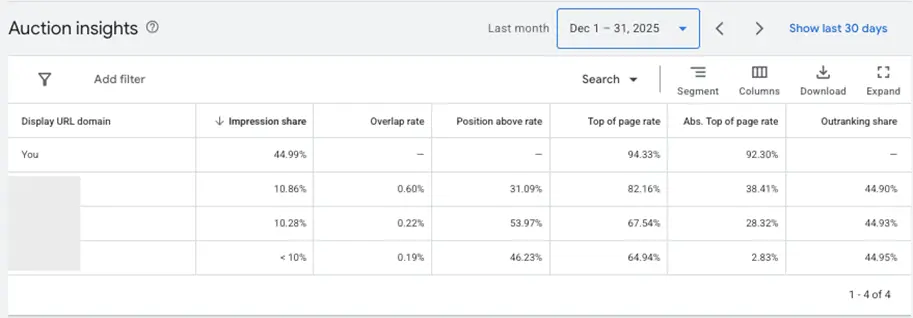
Once you know who you’re competing with, you can use a tool, like WordStream’s Free Keyword Tool or Ahrefs, to see what keywords they’re ranking for. Just drop in their URL instead of a keyword or topic.
To gain background from your competitors in paid search, think about how you can be more compelling. For instance, you can add assets to your ad or try writing more emotional, intriguing ad copy, which may entice searchers to choose your wedding cakes over the not-so-tasty cake shop down the street.
Here are some more tips on how to write ads that get high CTR (which in turn raises your Quality Score and saves you money!).
5. Include questions in your keyword list
One of the best ways to build brand trust and affinity is to provide great answers to your prospects’ burning questions.
Targeting questions will allow you to get right at the problems your customers are having, in turn leading them to discover your business and engage with your content. Question keywords can also benefit you greatly in the organic search results. If you provide the highest quality answers to difficult questions, your credibility will rise, allowing you to rank higher on the SERPs.
So how do you find these ideal questions? What questions are your searchers asking? If you can figure this out, then you’ll have a long list of informative keyword phrases to incorporate into your SEO, paid search, and content strategy.
If you’re at a standstill when it comes to brainstorming questions, there are some really great keyword tools out there, like Answer the Public. This awesome free tool, with a super weird homepage, works like so: Type in a keyword, and behold the beautiful visual that appears, with a circular display of questions grouped by the word they start with (where, which, who, how, why, etc.):
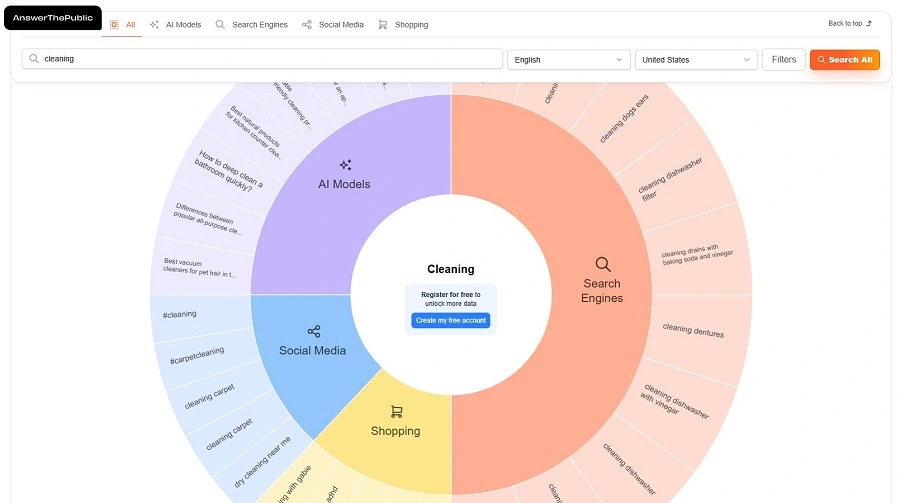
If my intent was to sell cleaning services, I could target some high-intent questions from the list, like “who offers cleaning services” or “where to hire a residential cleaner.” You’ll also find higher-funnel questions that people in the market for a maid or cleaner need help with, like “how much does a maid cost in [location].”
The next step would then be using one of your keyword research tools to get search volume data for these questions, as well as other helpful metrics to ensure the keywords are worth pursuing. One strategy would be to target as many of these keywords as possible in a single “ultimate guide” type resource for maintaining home cleanliness.
6. Research the associated costs for your PPC keywords
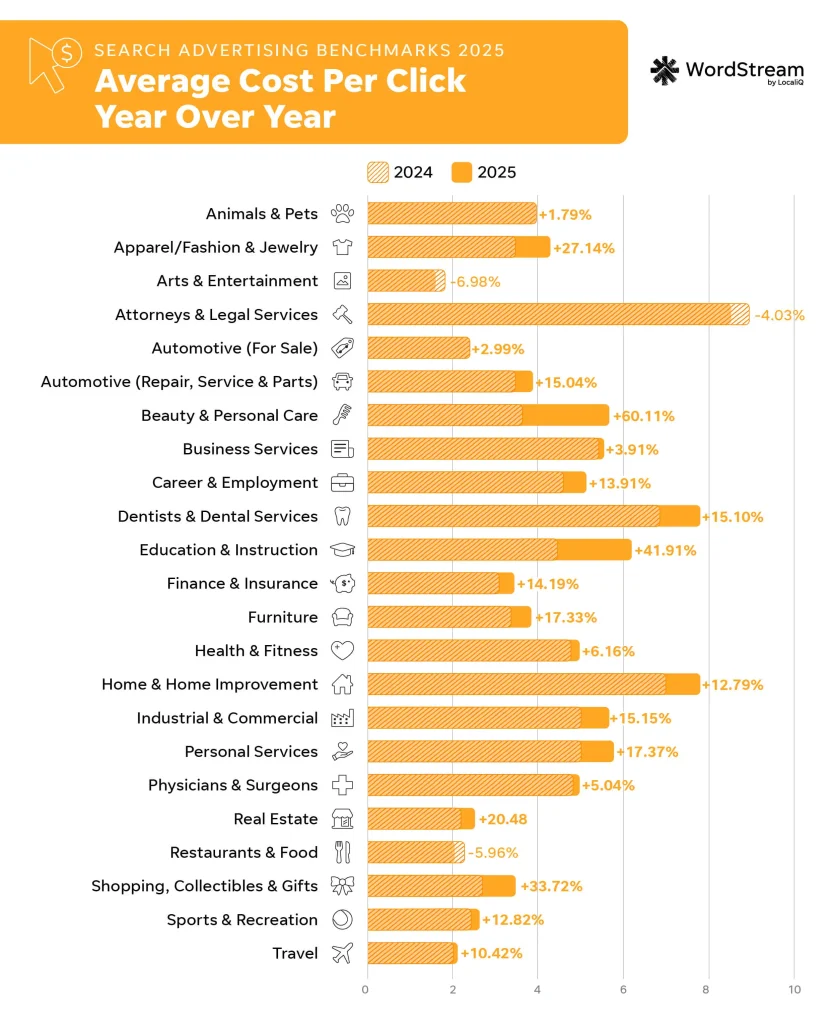
Let’s take a moment to review some of the specific considerations related to keyword research for PPC, or paid search marketing. Keyword research for paid search can be a bit more daunting, since your budget is on the line. Keeping cost in mind will help you determine if certain keywords are in or out of budget for your upcoming campaigns.
You want to ensure you’re able to bid high enough to rank in the first 0-3 slots on Google, but not so high that you’re paying an absurd amount for one single click. Pay attention to these metrics when researching and deciding on keywords for your ad groups. Our latest Google Ads benchmarks report can help you get an idea of what the average keyword might cost your business.
7. Do negative keyword research
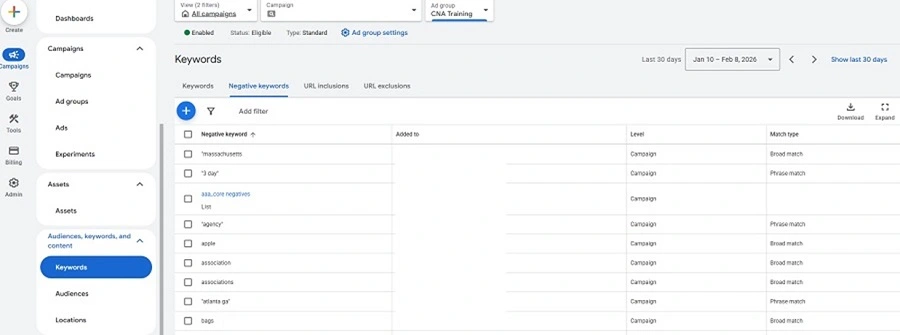
Conducting negative keyword research is just as important as regular keyword research when it comes to PPC, because if you’re not excluding irrelevant words, you could be wasting money on irrelevant clicks. You’d be amazed at how much money you can waste this way. This is especially important when using broad or even phrase match types.
Also, just typing your keyword into Google and seeing what appears as suggestions to search for can help you identify negative keyword terms. For instance, if you’re selling cakes, you’re probably not interested in showing up for any “recipe” queries, since you’d have to pay for those low-intent clicks.
Our study of over 15,000 Google Ads accounts found that adding just one negative keyword can triple conversion rates.
8. Include commercial intent keywords
Your goal in getting seen on Google, whether organically or through ads, is likely not just to drive clicks, but also to increase conversions.
However, if you’re actually looking to target the most interested and qualified searchers, driving more conversions and sales, you should focus most of your budget on commercial intent keywords, such as those containing words like “buy now,” “discount,” “free shipping,” brand names, and any other terms that demonstrate the searcher is ready to make a purchase.
While you may still need to target keywords outside of this bucket, I’d recommend allocating a higher budget to keywords with high commercial intent since they’re the most likely to have the highest return.
Find more tips on how to allocate your Google Ads budget to different keyword types here.
9. Group your keywords properly
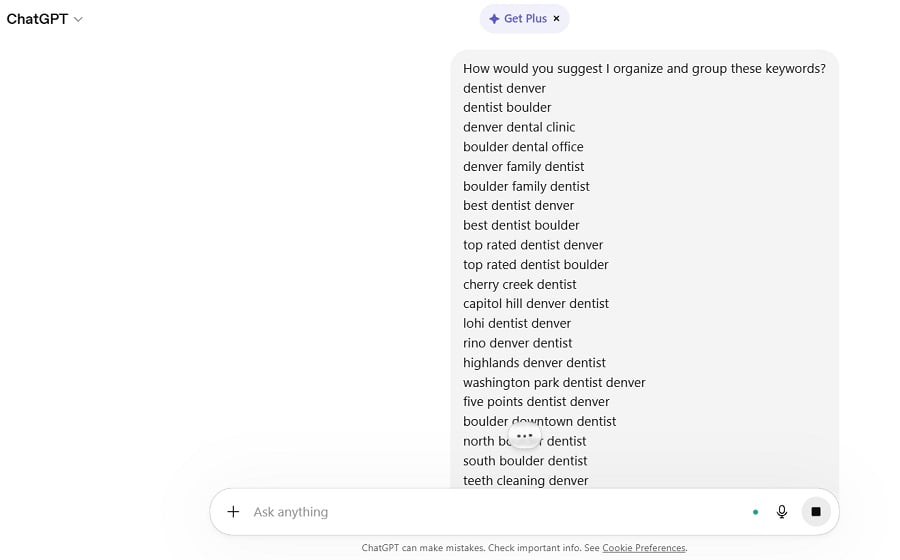
Once you’ve identified your high-intent, commercial, appropriately priced keywords, you need to group them in order to configure your campaign. Small groupings of tightly related keywords are how you should approach structuring your ad groups. If you have a long list of keywords, and this task seems daunting, you could lean on AI to take the first stab.
10. Use AI to cross-check your keyword research
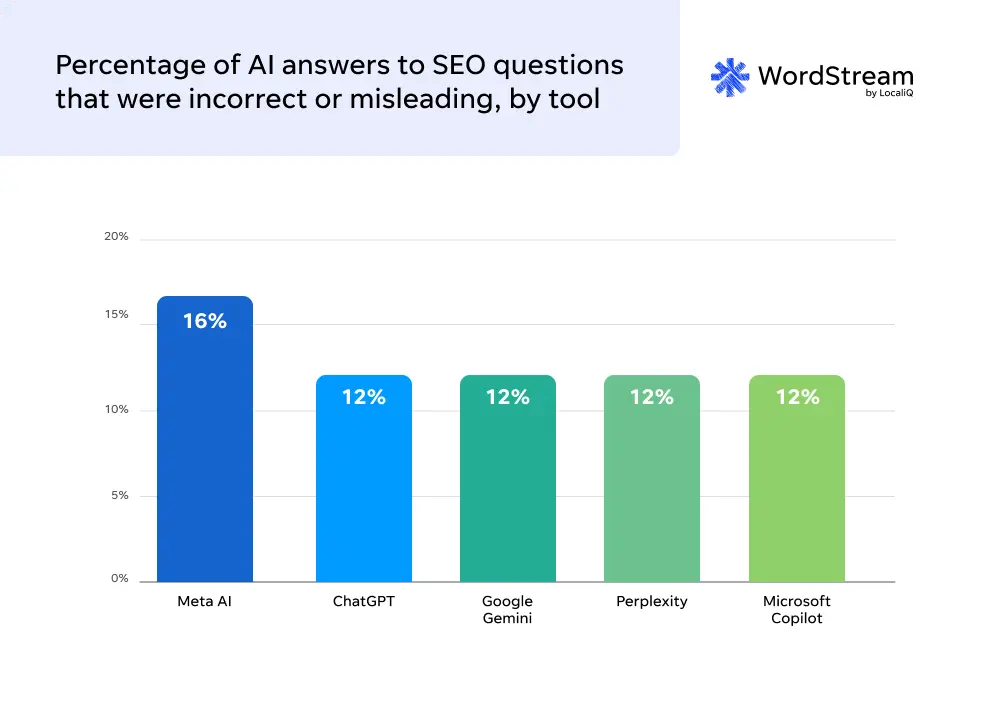
You’ll want to be extremely careful using AI for keyword research, since our research on AI in SEO, as well as AI in PPC, showed that no AI tool can provide 100% accurate keyword data.
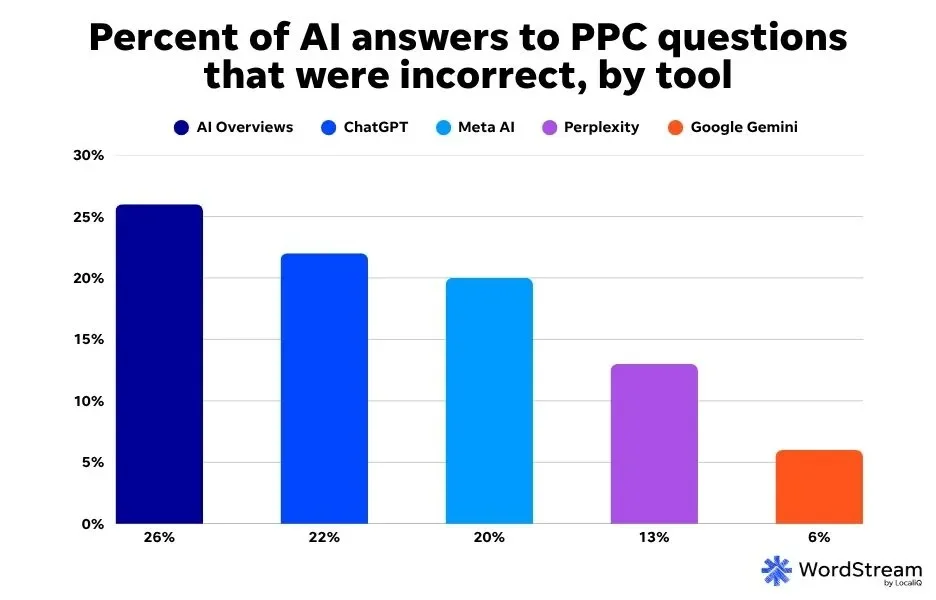
However, like I just mentioned, AI can be helpful for keyword list organization or updates. You could also use AI to build off a list you manually created. Just be sure to give your final AI-powered keyword list another final edit before using it, in case an AI tool throws in a wildcard term you don’t want. You might also need to test a few AI tools to see which would be best for your keyword research, since they are all slightly different in their user experience as well as their topic and platform-specific expertise.
Our 5 favorite keyword research tools
You may want to check out our latest list of the best keyword research tools (free and paid), but here are our favorites.
#1: WordStream’s Free Keyword Tool
WordStream’s keyword research tool not only provides keyword ideas and search volume, but it also gives you the ability to filter by industry and country to get more targeted data.
Results will show you search volume, CPC, and competition for both Google and Bing on one page. You can then get the results emailed to you for free.
“My go‑to tools include Google Keyword Planner, WordStream’s keyword tool, the Google search bar and related searches, and AI tools like Copilot—all of which are most effective when paired with a strong intent-focused filter,” Jennah said.
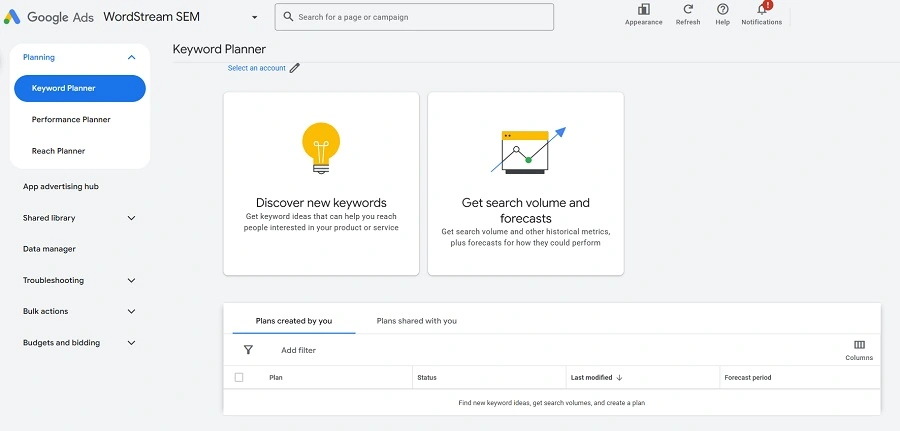
#2: Google’s Keyword Planner
If you’ve got a Google Ads account, then you’ve got access to Google’s free Keyword Planner. To navigate to this tool, log in to your Google Ads account and click the “Tools” bar on the right.
There are lots of ways to use Keyword Planner for keyword research. You can:
- Enter a broad topic to get specific keyword ideas
- Upload an existing list of keywords to check their search volume, seasonal trends and other data
- Enter a website URL (your own, or someone else’s) to see what keywords they are bidding on and ranking for
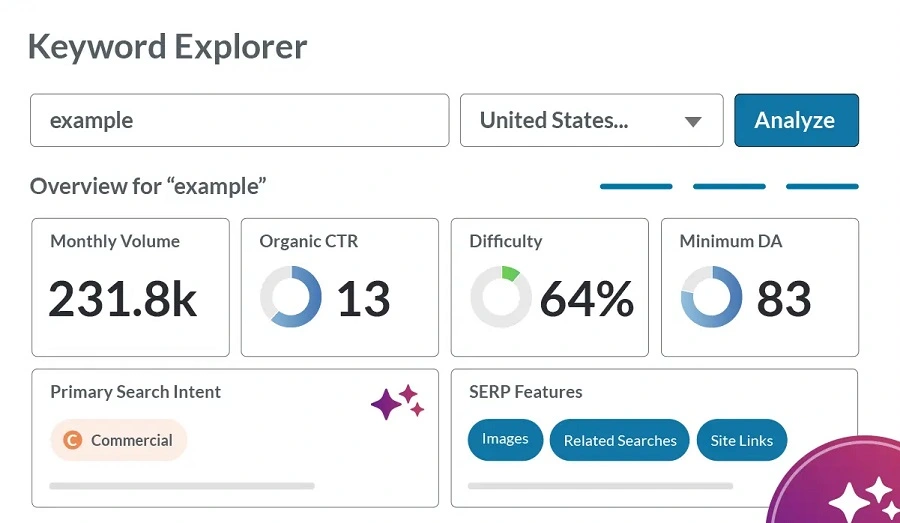
#3: Moz’s Keyword Explorer
If you’re looking to go down more of a premium route for your keyword research, I’d recommend exploring Moz’s Keyword Explorer. You can start a free trial of the paid tool to see if it’s worth the investment.
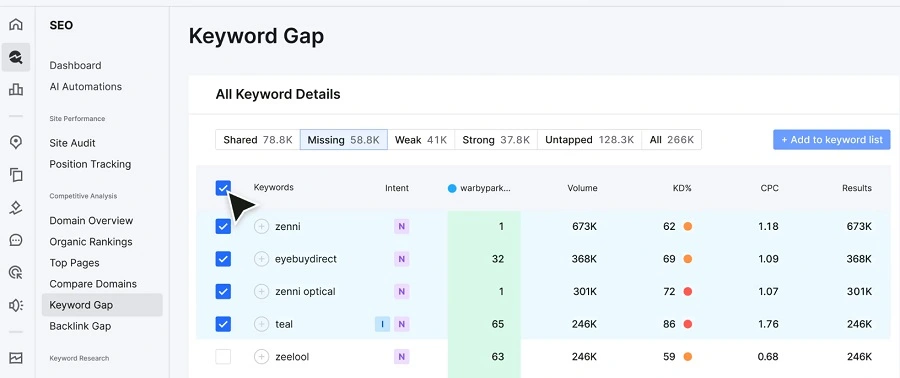
#4: Semrush
Semrush is another great tool that allows for extensive keyword research with both a premium paid and a free version to try. The free version still provides very useful information, from organic search volume and CPC to competitive info and a list of organic search results for each keyword.
For more in-depth analysis with 10,000 results per report, you can upgrade to the paid version, but depending upon your goals, the free version just may do the trick.
#5: Google!
Google itself is an underrated keyword research tool. You can start typing a keyword into Google to get more helpful suggestions. For example, see some of the keywords that appear when I type “wedding cakes” into Google.
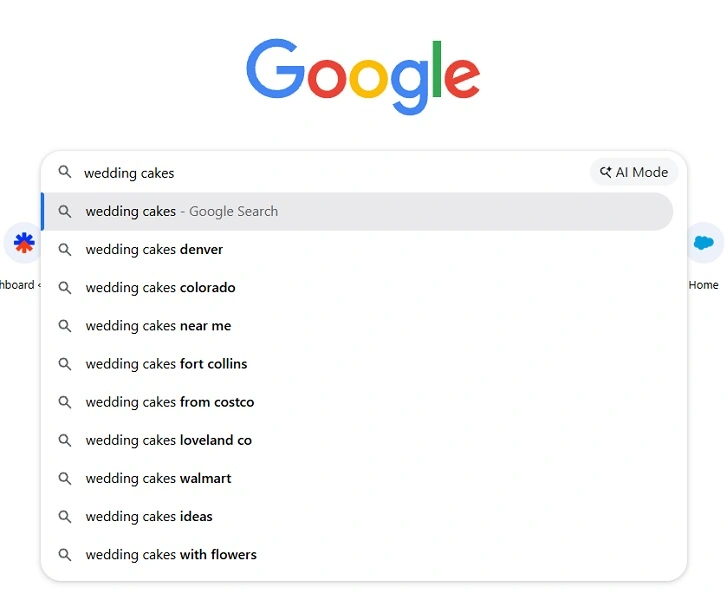
“Wedding cake with flowers” and “wedding cake ideas” could not only be keywords worth bidding on, but they could also be keywords worth creating additional content on. For instance, a blog post on “wedding cake ideas” or a comparison chart of “wedding cake prices.”
When you’re considering keywords to target, you can also use Google to see what’s already ranking. Get a sense of the competitive landscape.
Ask yourself questions like:
- Is the SERP highly commercial? I.e., are there lots of ads? Does it make more sense to enter the ad auction with an ad than to try to rank organically?
- Are the top-ranking sites much larger than you? (It’s hard to compete with the likes of the New York Times and Forbes.)
- Do the current results meet the intent of the keyword? If not, you could swoop in and beat them with a better answer to the question!
You should also look for SERP features like the “People also search” box and related searches at the bottom of the SERP. Including these additional related keywords in your content can help you meet the searcher’s intent and help your content rank!

Never again be lost for (key)words
Keyword research might seem like a daunting task, but it’s a critical one, and with an organized method and the right tools, you’ll be finding the perfect keywords in no time! To recap, here is how to do keyword research in 10 steps:
- Understand keyword intent
- Brainstorm a list of broad topics related to your business
- Use keyword tools to find specific keywords within each topic
- Consider competitor keywords
- Include questions in your keyword list
- Research the associated costs for your PPC keywords
- Make sure to do negative keyword research
- Look for commercial intent keywords
- Group your keywords properly
- Use AI to cross-check your keyword research
Want some help optimizing and implementing your keyword strategy? Check out our digital marketing solutions.
About the WordStream Blog
We've been a trusted source of data, news, and strategy for over 15 years. All of our content is written and reviewed by real people: a dedicated team of professionals with decades of combined experience in marketing and advertising for businesses of all sizes.


Add us as a preferred source on Google
Are you wasting money in Google Ads?

Meet The Author
Susie Marino
Susie is the Senior Content Marketing Specialist for WordStream and LocaliQ, where she uses her experience as a PPC consultant to share tips, tactics, and best practices in the ever-evolving marketing and advertising space. Susie’s work has been featured in publications such as Search Engine Land, MediaPost, Social Media Today, and others. Outside of work, Susie loves to get outside for some snowboarding or (once the cold weather melts away) hiking!
Recommended for you




![The 22 Best Keyword Research Tools for Every Need [Free & Paid!]](https://www.wordstream.com/wp-content/uploads/2013/09/keyword-research-tools-feature.png)