Featured Article
15 AI Productivity Tools We Love
Take your productivity to the next level with these AI productivity tools.


15 AI Productivity Tools We Love
Take your productivity to the next level with these AI productivity tools.

How Much Does Reddit Advertising Cost in 2025?
Are Reddit ads worth the cost? Check out this guide and judge for yourself.

Generative Engine Optimization: The New Frontier for Search?
Generative engine optimization is the practice of optimizing for AI search platforms. Find out how it differs from SEO and how to build your GEO strategy.

7 Steps to Write a Newsletter (With or Without AI!)
Send newsletters that stand out from the crowd with these expert tips and tricks.

Can You Trust What AI Tells You About PPC? We Tested It!
We asked five AI tools 45 PPC questions to see which ones get the most answers right or wrong, and you won't believe the results.

How the Instagram Algorithm Works in 2025 (+Tips to Get Seen)
The Instagram algorithm is changing. Learn how it works now and how you can make it work for you.

9 Ways to Use AI for Hyper-Personalized Ad Campaigns
Find out how you can take advantage of AI to create more personalized Google and Facebook campaigns.

5 Google Ads PMax Optimizations to Get More Leads Fast
Find out how you can use Google Ads PMax campaigns to get more leads fast with these five optimization tips and tricks.

Topical Authority: What It Is, Why It Matters, & How to Build It
Topical authority is more important than ever! Learn how to apply it to your website and content.

6 Steps to Building a Brilliant Google Ads Account Structure
Building out a Google Ads account from scratch can be daunting. Worry no more! This guide will walk you through everything you need to do to create a well-structured account.

6 Surprising Ways to Get Found Online in 2025
Want to stand out in a crowded marketing field? Read how six pros are getting found online now.
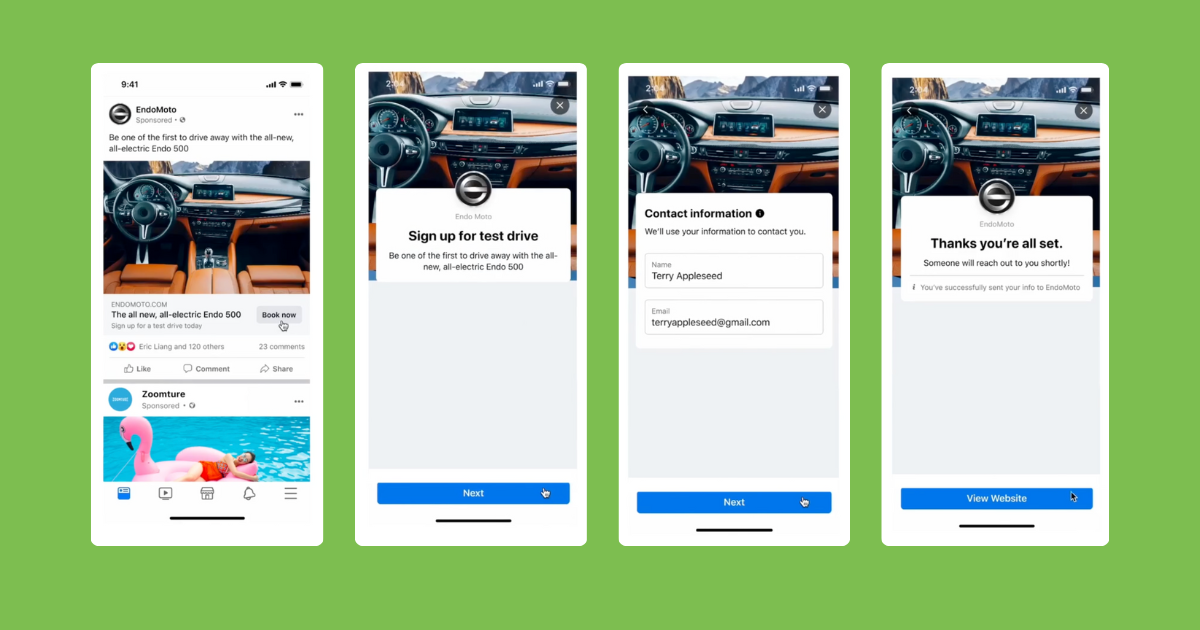
How to Optimize Facebook Lead Ads for Lead Quality & Volume
Create Facebook lead ads that drive your business's overall lead quality and quantity with these tips and tricks.

What Is Google Ads Performance Max & How Does It Work?
Start building out your Google Ads Performance Max strategy with this complete walkthrough of how PMax works to grow your business across channels.

The Power of Interactive Content (+12 Types & Examples)
Interactive content is a customer engagement magnet. Learn about a dozen types of interactive content you can use right now.

Google Ads Not Working? Try These 7 Fixes
Follow these steps to take your under-performing Google Ads from zero to hero.

Google AI Overviews: 34 Stats & Facts You Can’t Scroll Past
See the data behind Google's rising search feature, AI Overviews, including how AIOs are impacting CTR and user experience.

Every Google Ads Asset Option & How to Use Them
Get a complete breakdown of every Google Ads asset available within the platform and how to use them to enhance your ads.
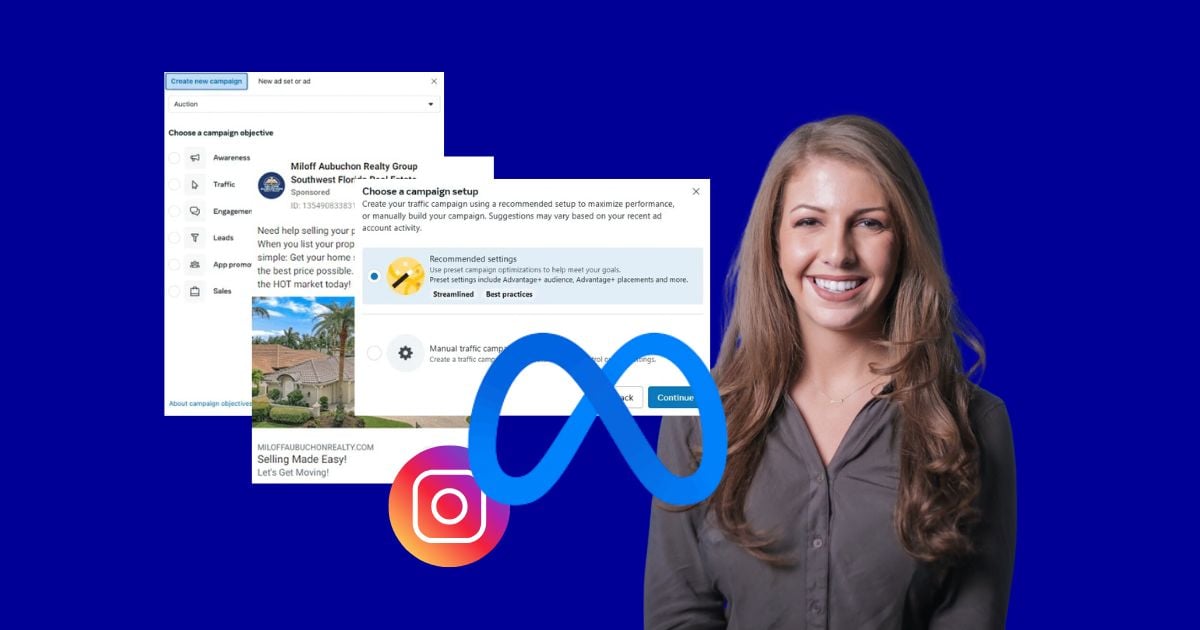
How to Advertise on Facebook: The Visual, Step-by-Step Guide
Complete with screenshots, tips, and FAQs, this guide has (quite literally) everything you need to set up a successful Facebook ad campaign.
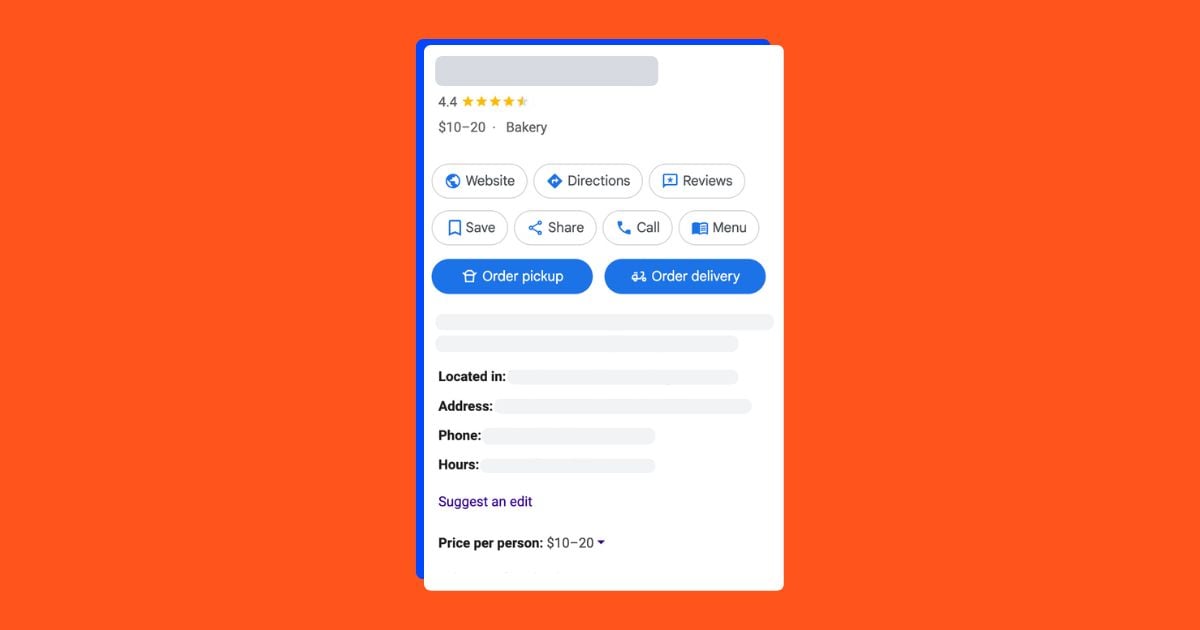
10 Google Business Profile Features to Help Your Listing Stand Out
Focus on these Google Business Profile features to make your listing pop and drive clicks, calls, or directions to your business.

5 Reasons Your Website Isn’t Getting Traffic (+How to Fix It)
Lack of site traffic got you down? Find out how to troubleshoot and fix it to watch the traffic pour in.

99 Hot Summer Puns for Sea-Sun-al Marketing
Summer punning is no joke! These playful puns will bring the heat to all your seasonal messages.

9 Ways to Truly Differentiate Your Content in an AI World
Differentiating your content is critical to compete with the speed of AI. See how nine pros do it.

How Much Does Google Ads Cost in 2025?
All of the benchmarks, factors, and tips you need to determine your budget.
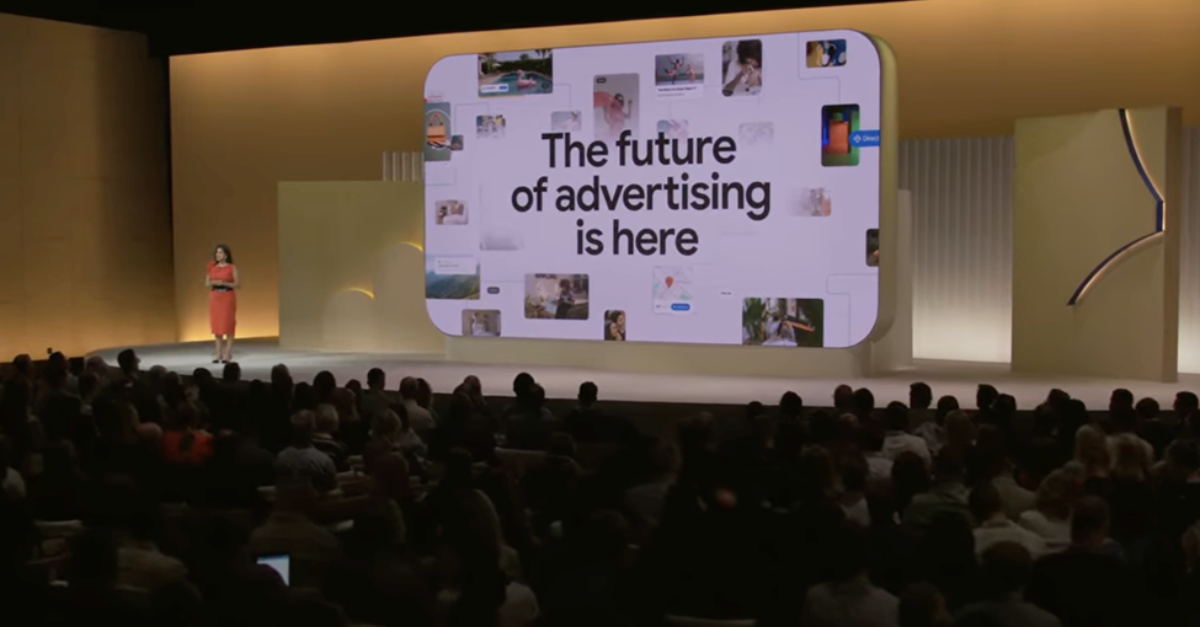
Google Marketing Live 2025: 10 Top Takeaways + Early Reactions
See the biggest and best announcements from this year's Google Marketing Live event.
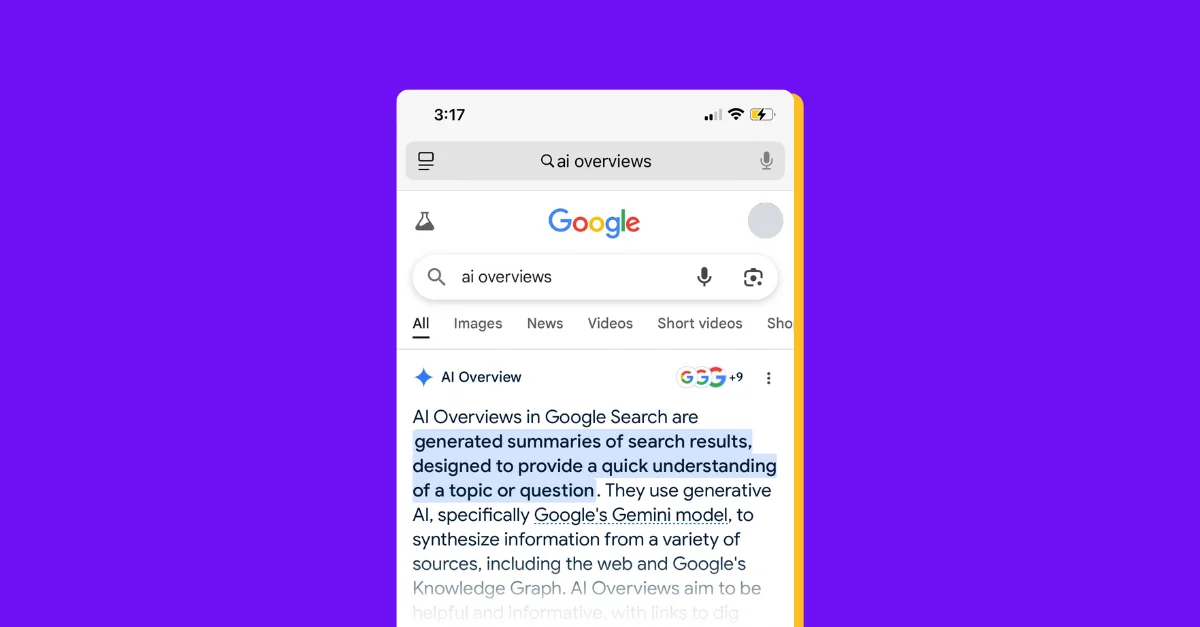
AI Overviews ARE Impacting SEO. Here’s What to Do About It
AI Overviews are shaking up search. Here's how to future-proof your SEO strategy so you maintain traffic and rankings.
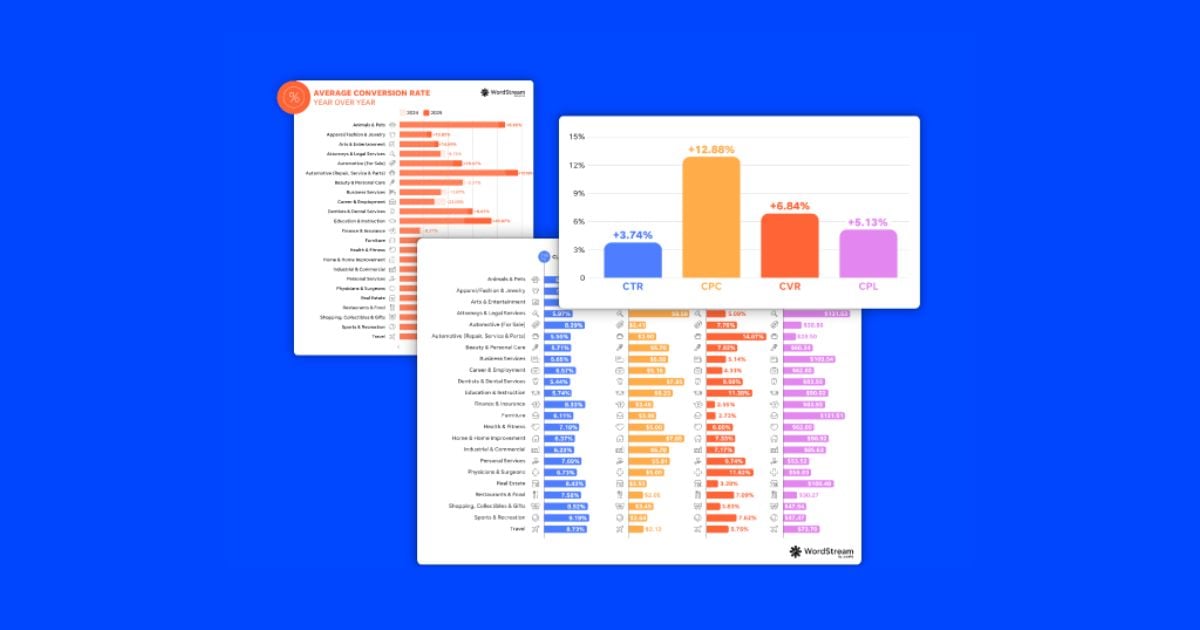
Google Ads Benchmarks 2025: Competitive Data & Insights for Every Industry
See the latest Google Ads benchmarks for your industry plus exclusive expert insights on what this data means for your business.